
The Short Version
The Carabao Cup, the League Cup, the EFL Cup: three names for the same competition, England's second cup and a genuine route to a Wembley final and a European place. It is often dismissed, and it keeps producing giant-killings, first trophies and unforgettable nights. Here is what it is, how it works, and why it still matters.
In this article
Few competitions are as misunderstood as the one currently called the Carabao Cup. It gets three different names, a reputation as the least important trophy in English football, and a regular chorus of managers claiming they do not care about it, right up until the moment their club reaches a Wembley final and suddenly everybody cares very much. This is the guide to what it actually is, how it works, and why, season after season, it still matters.
Why It Has Three Different Names
Start with the confusion over the name, because it trips up even regular fans. The competition is officially the EFL Cup, run by the English Football League. It is known generically as the League Cup, to distinguish it from the older FA Cup. And it is currently called the Carabao Cup for sponsorship reasons, after the energy drink brand that backs it, in the same way that shirt sponsors change over the years while the club stays the same.
So the Carabao Cup, the League Cup and the EFL Cup are all the same thing. The sponsor name changes with the commercial deal, which is why older fans might call it the Milk Cup, the Rumbelows Cup, the Coca-Cola Cup or the Worthington Cup depending on which decade they grew up in. The competition underneath all those names has run continuously since the 1960s.

How the Carabao Cup Works
The Carabao Cup is a straight knockout open to all 92 clubs across the Premier League and the three divisions of the English Football League, the top four tiers of the English game. It runs through a series of rounds from the very start of the season, acting as the season's curtain-raiser, all the way to the final at Wembley the following March.
The clever, and slightly ruthless, detail is the draw. Every round is a random draw with no seeding to protect the big clubs, so a fourth-tier side can be handed a Premier League giant at any stage. Ties are single games decided on the night, at one club's ground, right up until the two-legged semi-finals, which adds to the jeopardy: there is no replay, no second chance, one game to get it right. Clubs enter at different stages depending on where they finished and whether they are in Europe, with the Premier League's European sides joining at the third round, played this season in the week commencing 14 September. The reward at the end is not only the trophy but a place in European competition for the winner.
Why the League Cup Still Matters
It is fashionable to dismiss the League Cup, and the criticism is not entirely unfair: the biggest clubs often field rotated, younger line-ups in the early rounds, treating it as a chance to blood academy players and give squad members minutes. But that misses what the competition actually offers, which depends entirely on who you are.
For a smaller club, it is a genuine shot at silverware and a life-changing cash injection, plus the chance of a home tie against a superpower. For a big club that has not won anything in a while, it is often the first trophy of a new manager's reign, a confidence-builder and a habit of winning that can carry into bigger competitions. And for any club, it ends in a Wembley final and a European place for the winner. Newcastle United's triumph in 2025 ended a wait of decades for a major domestic trophy, and no one who saw those celebrations would tell you the competition does not matter. We told the club's wider story in the Newcastle United shirts collector's history.
Giant-Killings and the Magic of the Draw
Because there is no seeding and every early tie is a single game, the Carabao Cup is a reliable source of giant-killings. A lower-league side, roared on by a packed home crowd against opponents who have made ten changes, has a real chance on the night, and the competition's history is full of famous upsets that live long in the memory of the clubs that pulled them off.
This is the same romance that powers the FA Cup, the idea that on any given night the gap between the divisions can close to nothing. For neutrals it is one of the best things about English football, and for the fans of the smaller club it can be the greatest night in their team's modern history. The shirts worn on those nights, often against a rotated but still star-studded opponent, become treasured mementoes of the occasion.

A Short History and the Record Holders
The League Cup was introduced in the early 1960s as a midweek competition for Football League clubs, and although some big clubs were sniffy about it at first, it grew into a fixture of the calendar and a genuine prize. Winning it has long since carried real prestige, and a run to the final remains one of the highlights of many a club's season.
Liverpool are the competition's most successful club by title count. Manchester City are the current holders, having beaten Arsenal 2-0 in the March 2026 final to lift the trophy for a ninth time, one of the most decorated records in the competition's history. The list of winners is a roll-call of English football's biggest names, alongside the occasional underdog whose supporters will never forget it. We covered two of the clubs currently chasing the trophy in our Manchester City and Chelsea collector's histories.
Where It Sits in the Cup Calendar
It helps to see how the Carabao Cup fits alongside England's other knockouts, because the three often get muddled. The FA Cup is the oldest and most prestigious domestic cup, open to hundreds of clubs from across the pyramid and steeped in more than 150 years of history, a story we tell in full in the FA Cup explained. The Carabao Cup is the second domestic cup, limited to the 92 professional clubs and run midweek. And the Community Shield is the traditional season-opening one-off between the previous season's league champions and FA Cup winners, more an exhibition than a competition.
The Carabao Cup starts earliest of the competitive cups, kicking off before the league season even settles, which is why it is often called the campaign's curtain-raiser. It then threads through the autumn and winter alongside the league and, for the bigger clubs, European football, before the FA Cup takes centre stage in the new year and the two cup finals bookend the spring. For a fan, following a cup run is one of the most exciting ways to experience a season, precisely because a single defeat ends it.
Everyone says the League Cup does not matter, right up until their club is ninety minutes from Wembley. Ask a Newcastle fan about 2025. The shirt from a cup-winning season is one every collector understands.
- Jamie King, co-founder, Mystery Jersey King
The Cup and the Shirts
For shirt collectors, cup competitions have a particular charm. Because the big clubs rotate their squads, cup nights often see unusual line-ups, younger players handed rare starts, and one-off match-ups between clubs from different divisions who would never otherwise meet. Occasionally there is even special detailing or a badge to mark a final.
More broadly, the cup is a reminder of how the shirt ties a club's whole story together, from the giant-killing minnow to the Wembley winner. Every club in that draw has a shirt history worth exploring, which is exactly the spirit behind our club collector's guides and our look at the most iconic Premier League shirts from 1992 to today. A cup run is often when a season's shirt gets its most memorable outings.
Building a Collection
Whether your club is a serial winner or a giant-killer, the shirts are where the memories live, and our retro football shirts collection spans clubs from across the English pyramid and beyond. Cup-run shirts, promotion-season shirts and the kits of famous nights all have a place in a good collection.
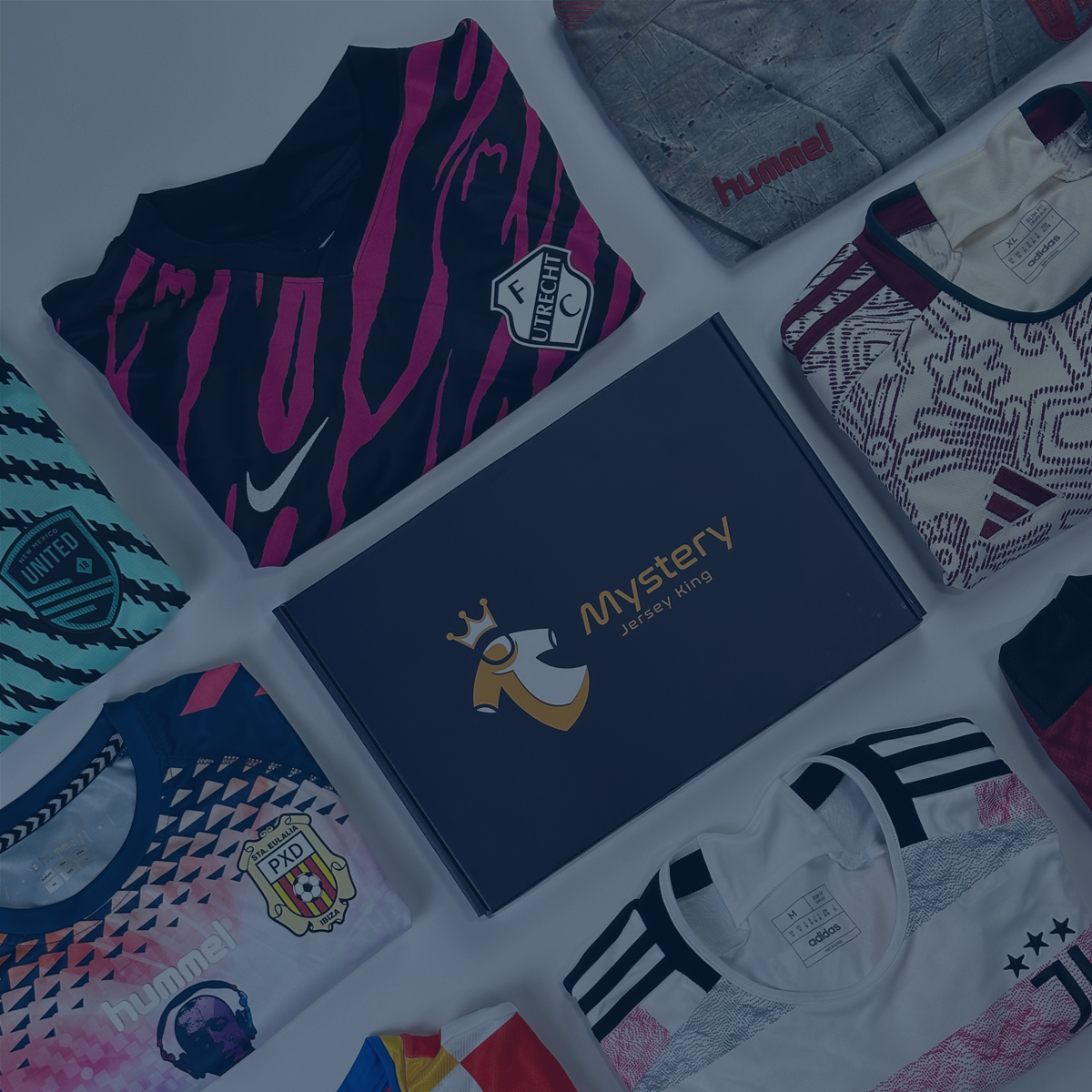
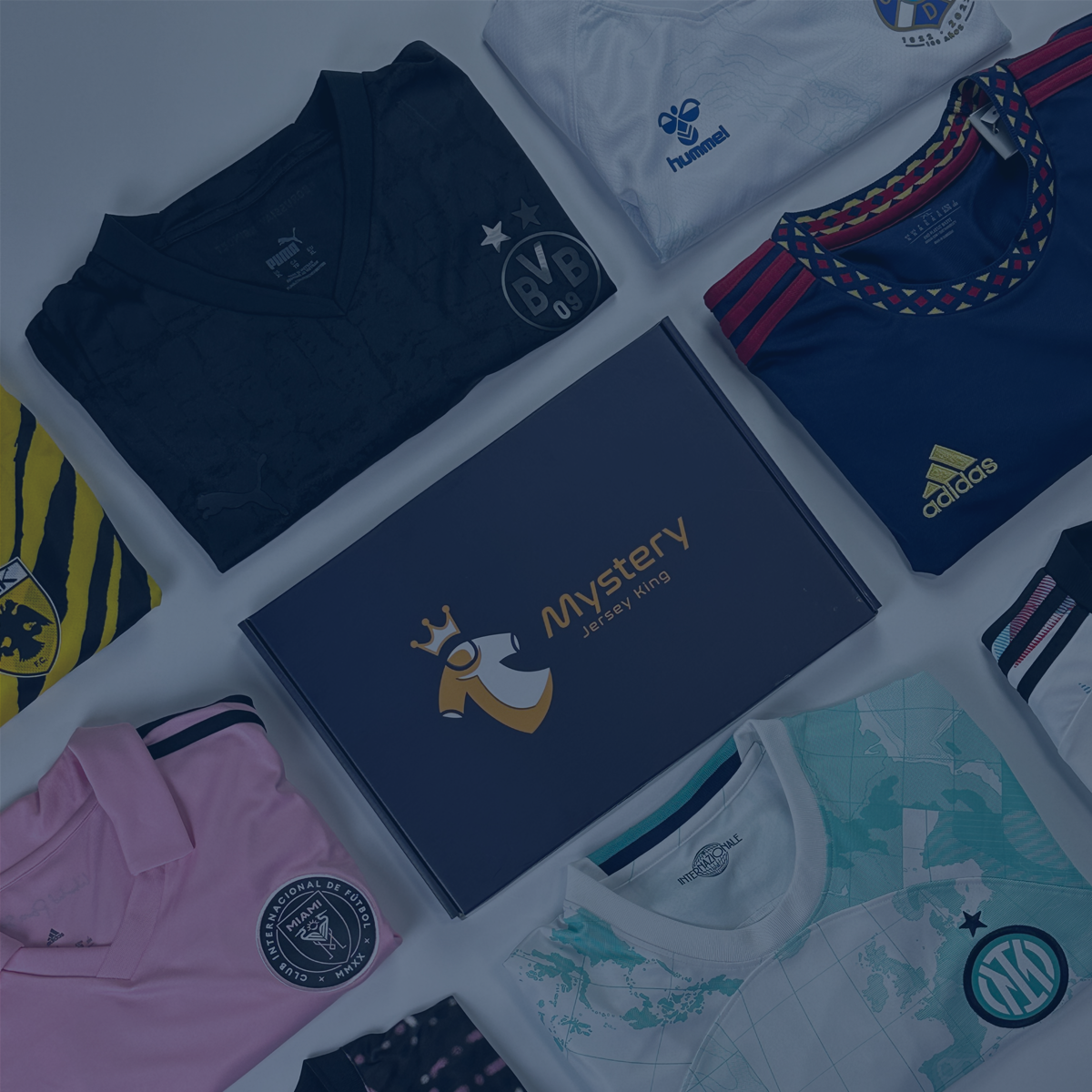
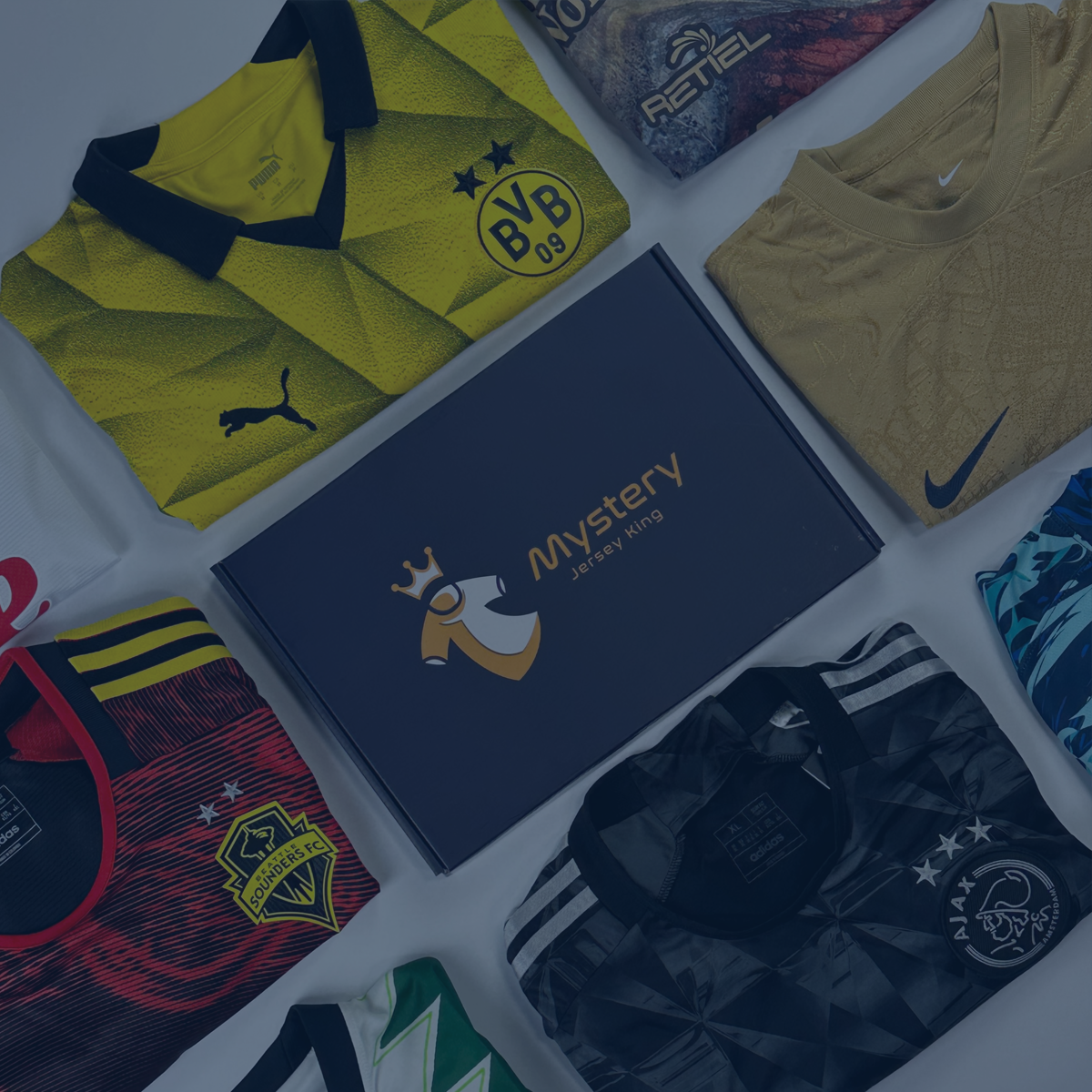
The other way in is to let the draw decide, in a sense. An MJK mystery box sends one genuine football shirt without you knowing which one is coming, any club, any nation, any era, drawn from a supply network spanning more than 50 leagues and 53 countries. It is a little like the cup draw itself: you never know who you are getting, and the surprise is half the fun.
As seen on BBC Dragons' Den. Co-founder Alex Street pitched Mystery Jersey King on Series 22, and Sara Davies MBE invested £50,000 for 15%. Read the full story here.
Related reads
Frequently Asked Questions
Is the Carabao Cup the same as the League Cup?
Yes. The Carabao Cup, the EFL Cup and the League Cup are all names for the same competition. Carabao is the current sponsor, the EFL Cup is its official name under the English Football League, and League Cup is the generic term that distinguishes it from the FA Cup. The name changes with the sponsor, but the competition is the same.
How does the Carabao Cup work?
It is a straight knockout open to all 92 clubs in the Premier League and English Football League. Every round is a random draw with no seeding, and ties are single games until the two-legged semi-finals. Clubs enter at different stages depending on their league and European commitments, with the final held at Wembley in March.
Who are the current Carabao Cup holders?
Manchester City are the defending champions, having beaten Arsenal 2-0 in the March 2026 final to win the trophy for the ninth time, one of the most decorated records in the competition. Liverpool remain the competition's most successful club by overall title count.
Does winning the Carabao Cup get you into Europe?
Yes. The winner of the Carabao Cup qualifies for a European place, currently a route into the UEFA Conference League. If the winning club has already qualified for the Champions League or Europa League through their league position, that Conference League spot passes down to another eligible club instead. That European reward, alongside the Wembley final, is a key reason the competition still carries genuine value.
Why do big clubs rotate their squads in the League Cup?
The biggest clubs often use the early rounds to rest key players and give minutes to squad members and academy prospects, prioritising the league and European competitions. This rotation is part of why upsets happen, since a full-strength lower-league side facing a much-changed Premier League team has a real chance on the night.
When is the Carabao Cup final?
The 2026/27 Carabao Cup final is scheduled for Sunday 21 March 2027 at Wembley Stadium. The competition begins at the very start of the season as its curtain-raiser and runs through a series of knockout rounds across the autumn and winter before the showpiece final in spring.
How does a mystery football shirt box work?
You pick your size, and Mystery Jersey King picks the shirt. One genuine football shirt arrives without you knowing which one is coming: any club, any nation, any era, drawn from a supply network spanning more than 50 leagues and 53 countries. MJK has shipped over 100,000 orders and is rated highly across more than 1,000 reviews.
Mystery Jersey King
Like the Cup Draw, But for Your Wardrobe.
You never know who you are getting, and that is the whole point. Every MJK box puts one genuine football shirt through your door without you knowing which one is coming: any club, any nation, any era.
100,000+ orders shipped. Rated 4.7/5 from 1,000+ reviews. Shipping to 53 countries. As seen on BBC Dragons' Den.


Leave a comment
This site is protected by hCaptcha and the hCaptcha Privacy Policy and Terms of Service apply.