The Short Version
From a church football club in Victorian Manchester to a modern European superpower, Manchester City's sky blue shirt has carried the whole story. From the AC Milan-inspired away kit of the 1960s to Sergio Aguero's title-winning 2011/12 home, this is the Manchester City shirt told era by era: the makers, the sponsors, and the shirts collectors chase hardest.
In this article
- From St Mark's to sky blue
- The AC Milan away kit
- The kit makers, era by era
- From Saab to Etihad
- The Kappa years and the wilderness decade
- The Aguero shirt and the modern era
- The Puma era's design details
- What collectors chase, and what to check
- Owning a piece of City history
- Frequently asked questions
Manchester City's story runs from a Victorian church football club to one of the great modern powers of European football, and the sky blue shirt has been present for every chapter of it. Along the way it has carried a red-and-black kit inspired by AC Milan, weathered a wilderness decade in the lower leagues, and been worn for the most dramatic title-winning moment English football has produced. This is that shirt, told era by era, the way a collector reads it.
From St Mark's to Sky Blue
The club that became Manchester City began in 1880 as St Mark's, formed by members of a church in West Gorton, and played its earliest football in a simple black kit. The team went through a name change to Ardwick before becoming Manchester City in 1894, and it was around this point that the club settled on the sky blue that has defined it ever since. That colour has now survived well over a century of football, largely resisting the vivid striping and heavy embellishment trends that reshaped so many other clubs' shirts.
The consistency of the home shirt is part of what makes City's story so interesting to collectors: the blue barely moves, so almost all the drama in the club's shirt history happens in the sponsors, the makers, and the away kits.
The AC Milan Away Kit
One of the most distinctive chapters in City's shirt history came in the late 1960s, when assistant manager Malcolm Allison introduced a red and black striped away kit directly inspired by the great AC Milan side. The idea was psychological as much as aesthetic: dress City like one of the most feared clubs in Europe, and opponents might just believe they were facing something similarly unconquerable.
It worked, at least for a spell. City won the FA Cup in 1969 and the European Cup Winners' Cup in 1970 wearing the red and black stripes, one of the more unusual and successful away-kit experiments in English football history, and a shirt collectors still regard as one of the great cult classics of the era.

The Kit Makers, Era by Era
Umbro dressed Manchester City for the majority of the club's shirt history, across a long spell from 1967 to 1997 and a return between 2009 and 2013. In between, Kappa had a brief stint in the late 90s, Le Coq Sportif carried the club through the turn of the millennium, and Reebok took over in the mid-2000s. More recently, Nike made the shirts from 2013 to 2019, before Puma began a long-term partnership in 2019 that continues today.
That sequence gives collectors clear eras to anchor a collection around, from the long first Umbro spell through to the modern Puma years, with the late-90s Kappa and Le Coq Sportif shirts standing out as a distinct and often overlooked chapter.
From Saab to Etihad
City's sponsor history reads like a tour of the era it belongs to. Saab, the Scandinavian car maker, became the club's first shirt sponsor in the early 1980s, followed by the electronics brand Philips. Then came Brother, the printer and sewing machine company, whose logo sat on the shirt for more than a decade through the late 1980s and 1990s, a sponsor many longtime fans associate with the club's most difficult years.
After Brother came the video game company Eidos, famous for the Lara Croft games, then First Advice, then Thomas Cook, the travel agency whose logo appeared on the shirt through the mid-to-late 2000s. Since 2009, Etihad Airways has been the club's sponsor, arriving at the start of the ownership change that transformed Manchester City into one of the dominant forces in world football.
The Kappa Years and the Wilderness Decade
The late 1990s were a strange, difficult period for Manchester City on the pitch, a stretch that culminated in relegation to the third tier of English football in 1998. Yet it produced shirts that fans of that era remember fondly, including the gold-on-blue pinstriped Kappa design of 1997/98 and the Le Coq Sportif home shirt of 1999/2000, worn as the club won promotion and began its recovery.
These shirts carry a particular kind of nostalgia, tied not to trophies but to loyalty during the club's toughest years, and they are prized by City fans in exactly the way that shirts from a difficult era can mean more than the glory-days kits of other clubs. It is a reminder that a shirt's emotional weight rarely has much to do with the size of the trophy cabinet at the time.

The Aguero Shirt and the Modern Era
If one shirt defines modern Manchester City, it is the 2011/12 Umbro home, worn on the final day of that Premier League season as Sergio Aguero scored the last-minute goal that won City the title in the most dramatic finish the competition has ever produced. Fans still refer to the moment simply by its clock time, 93:20, and the shirt worn that afternoon has become one of the most significant in the club's history.
The Puma era that followed has brought further silverware, including the 2022/23 season in which City completed a historic Treble, and the shirts of this modern period are gaining collector significance in real time as the club's trophy cabinet has grown to match its ambition.
The Puma Era's Design Details
Puma's first season as kit maker, 2019/20, arrived alongside City's 125th anniversary, and rather than simply reworking an old design, the brand introduced something new: purple accents worked into the sky blue home shirt for the first time in the club's history, appearing in the sponsor lettering and a strip across the shoulders. The fabric itself carried a woven jacquard wave pattern, a deliberate nod to Manchester's industrial heritage.
The away shirt that season paid tribute to a different side of the city's story, referencing the Madchester music scene of the late 1980s and early 1990s. It is the kind of detail that separates a good modern kit from a forgettable one: rather than chasing a generic international look, City's recent shirts have leaned into what makes Manchester itself distinctive, giving the Puma era its own clear identity within the club's long shirt history.
City's home shirt has barely changed in over a century, sky blue then and sky blue now. Everything that tells the story is in the sponsor and the maker, from Saab to Etihad, from Umbro to Puma.
- Jamie King, co-founder, Mystery Jersey King
What Collectors Chase, and What to Check
The most sought-after City shirts include the red and black AC Milan-inspired away kit of the 1969 Cup Winners' Cup era, the Kappa and Le Coq Sportif shirts of the late 90s wilderness years, and the 2011/12 Umbro home tied to the Aguero title. Named and numbered examples from the club's title-winning modern seasons carry a particular premium.
Because City are now such a widely followed and heavily collected club, authenticity matters more than ever. The maker-and-sponsor pairing is your first checkpoint, since a fake often places a sponsor on a shirt from the wrong manufacturer era. Beyond that, check the badge and manufacturer logo for stitching quality, the neck and wash labels, and the fabric against what the shirt should be for its period.
Owning a Piece of City History
Genuine retro Manchester City shirts surface regularly, and the retro football shirts collection is where to look. The AC Milan-inspired away kit and the Aguero-era home in particular move quickly, so condition and authenticity are everything.
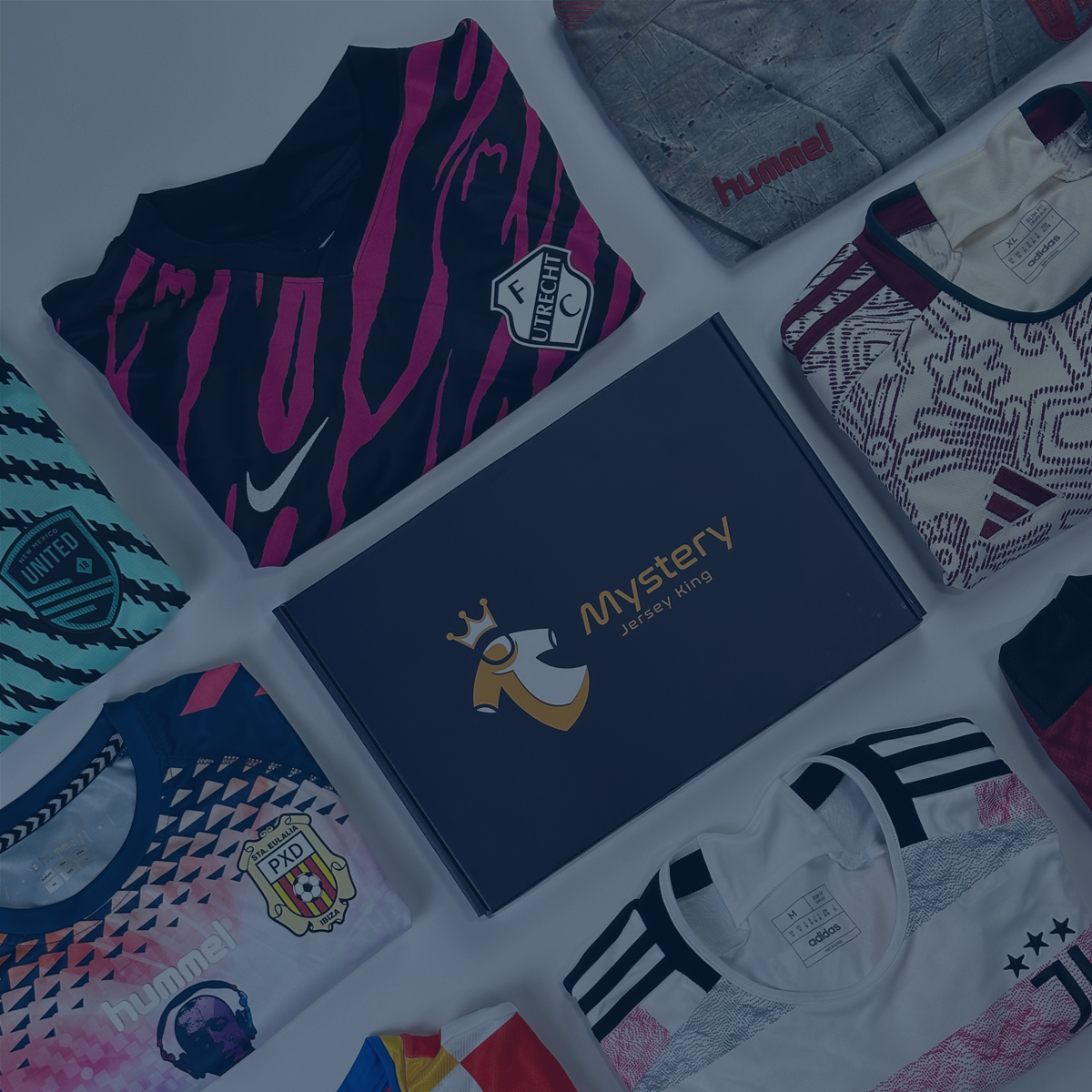
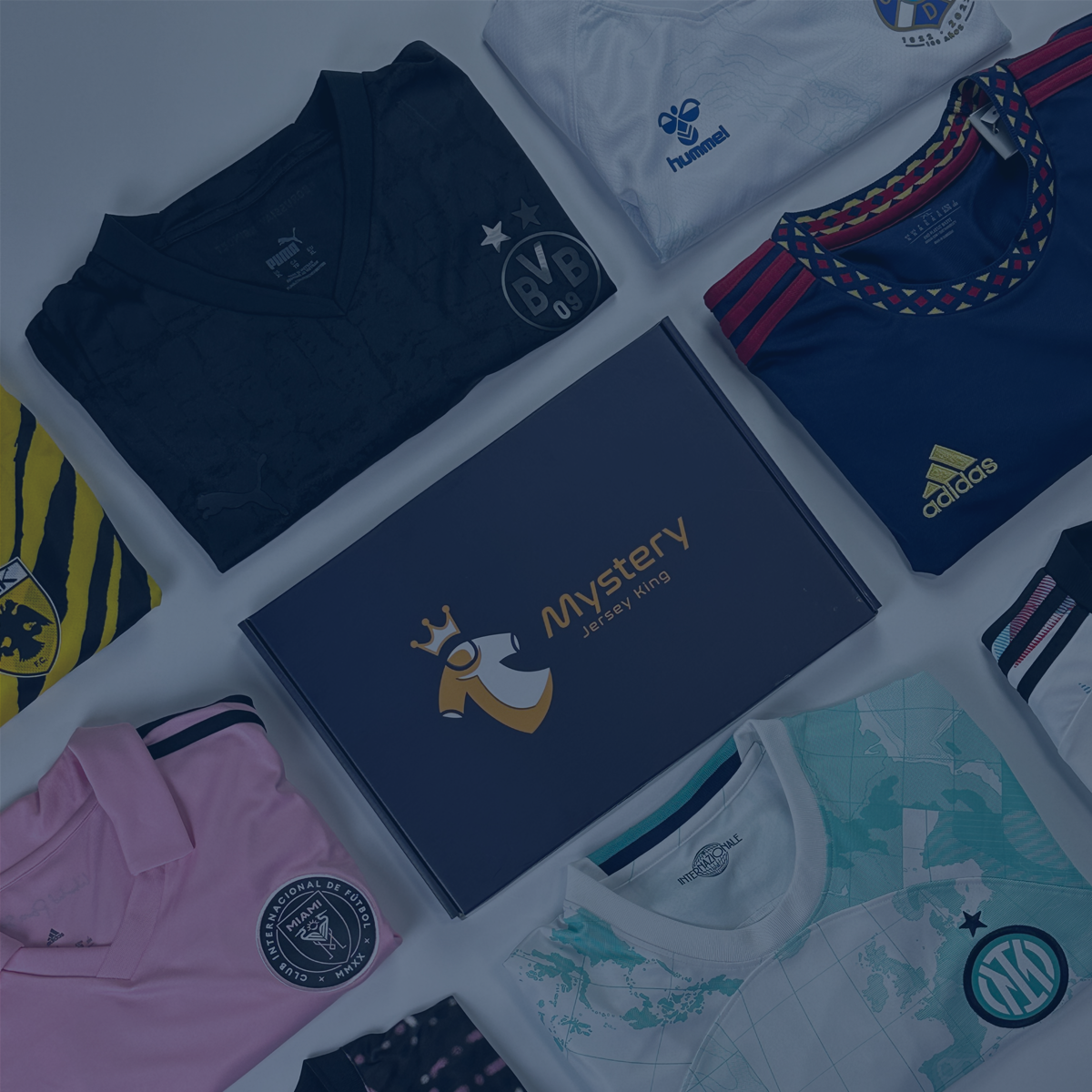
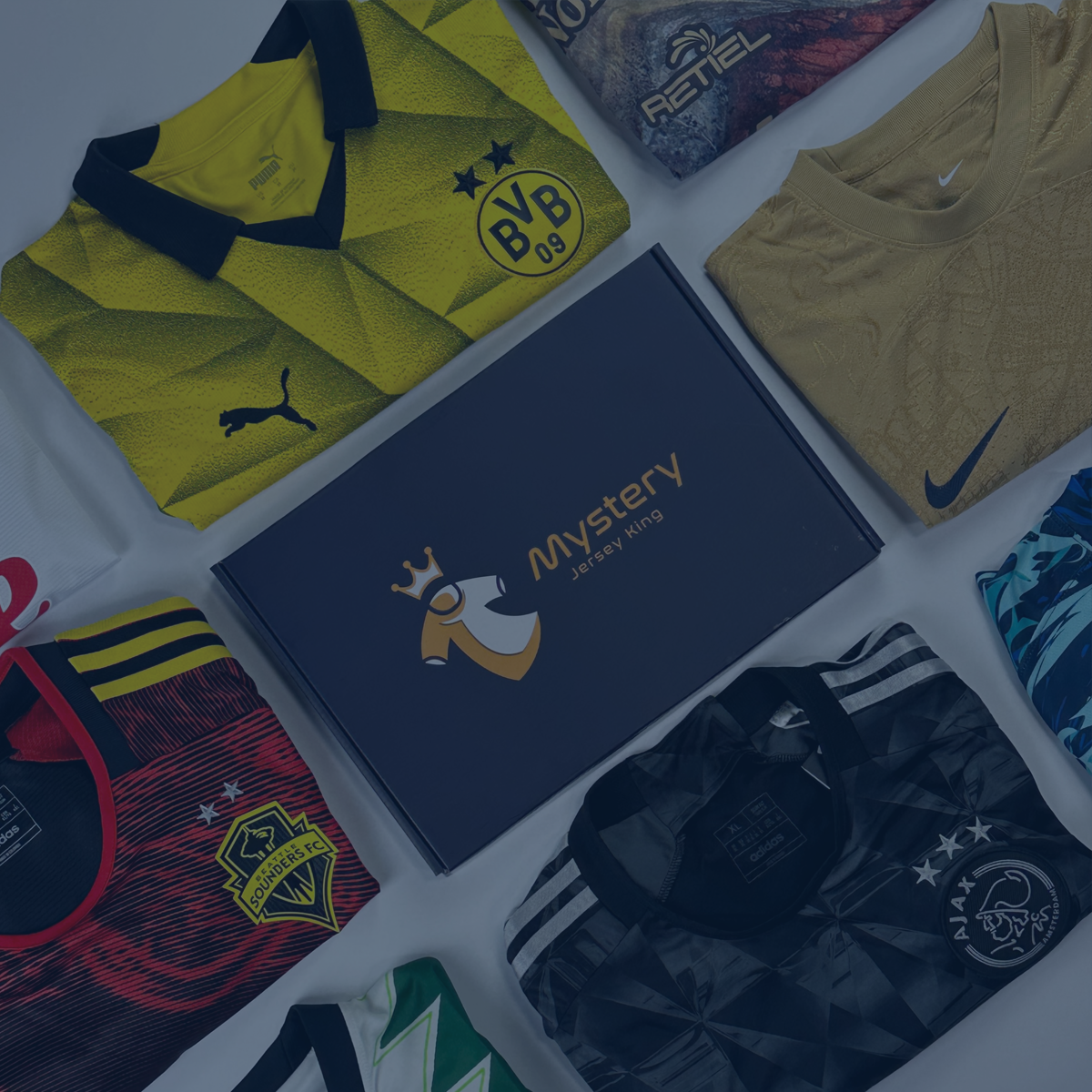
The other route is to let the shirt find you. An MJK mystery box sends one genuine football shirt without you knowing which one is coming: any club, any nation, any era, drawn from a supply network that spans more than 50 leagues and 53 countries. Manchester City shirts appear in the mix regularly, and if you would rather include or avoid particular clubs, you can tell us at checkout.
As seen on BBC Dragons' Den. Co-founder Alex Street pitched Mystery Jersey King on Series 22, and Sara Davies MBE invested £50,000 for 15%. Read the full story here.
Related reads
Frequently Asked Questions
Why is Manchester City's away kit inspired by AC Milan?
In the late 1960s, assistant manager Malcolm Allison introduced a red and black striped away kit inspired by AC Milan, hoping the association would intimidate opponents. City won the 1969 FA Cup and the 1970 European Cup Winners' Cup wearing it, making it one of the most successful and distinctive away kits in the club's history.
What is the most iconic Manchester City shirt?
The 2011/12 Umbro home shirt is the most celebrated, worn as Sergio Aguero scored the last-minute goal that won City the Premier League title in one of the most dramatic finishes English football has seen. Fans still refer to the moment as 93:20, and the shirt has become a generation-defining piece of the club's history.
Who has made Manchester City's kits over the years?
Umbro made City's kits for the majority of the club's history, from 1967 to 1997 and again from 2009 to 2013. Kappa, Le Coq Sportif, Reebok and Nike each had spells between the late 1990s and 2019, and Puma has been the club's kit manufacturer since 2019.
Which sponsors have appeared on the Manchester City shirt?
Saab was City's first shirt sponsor in the early 1980s, followed by Philips, then Brother through the late 1980s and 1990s, then Eidos, First Advice and Thomas Cook in the 2000s. Etihad Airways has sponsored the shirt since 2009, coinciding with the club's transformation under new ownership.
Why did Manchester City wear black shirts originally?
The club that became Manchester City started in 1880 as St Mark's, a church football club in West Gorton, and played in a simple black kit. After a spell known as Ardwick, the club became Manchester City in 1894, and it was around this point that the sky blue now associated with the club was adopted.
Are Manchester City shirts often faked?
Yes. As one of the most followed clubs in world football, City are a frequent target for counterfeits. The maker-and-sponsor pairing is a useful first check, since fakes often place a sponsor on a shirt from the wrong manufacturer era, followed by close inspection of the badge stitching, the neck and wash labels, and the fabric for the period.
How does a mystery football shirt box work?
You pick your size, and Mystery Jersey King picks the shirt. One genuine football shirt arrives without you knowing which one is coming: any club, any nation, any era, drawn from a supply network spanning more than 50 leagues and 53 countries. MJK has shipped over 100,000 orders and is rated highly across more than 1,000 reviews.
Mystery Jersey King
Your Next Sky Blue Classic, Unopened.
The best shirts in any collection are the ones you did not go looking for. Every MJK box puts one genuine football shirt through your door without you knowing which one is coming: any club, any nation, any era.
100,000+ orders shipped. Rated 4.7/5 from 1,000+ reviews. Shipping to 53 countries. As seen on BBC Dragons' Den.


Leave a comment
This site is protected by hCaptcha and the hCaptcha Privacy Policy and Terms of Service apply.