

The Short Version
First played in 1871, the FA Cup is the oldest football competition on earth, and it remains the most romantic. Every eligible club in England, from Premier League giants to part-time village sides, enters the same draw with a genuine shot at Wembley. Here is what the FA Cup is, how it works, and why the giant-killings keep happening.
In this article
- The oldest competition in football
- How the FA Cup works
- The qualifying rounds nobody watches, and should
- The third round, and the big clubs arrive
- Giant-killings and why they still happen
- The 2026/27 round dates
- Why replays were scrapped
- The cup and the shirts
- Building a collection
- Frequently asked questions
No competition in football carries more history than the FA Cup. It predates the Football League itself, it has survived more than 150 years of change in the game, and it still manages to produce the one thing every neutral secretly wants: a proper shock. Here is everything worth knowing about the world's oldest football competition, from the part-time clubs who enter in August to the Wembley final the following May.
The Oldest Competition in Football
The FA Cup, officially the Football Association Challenge Cup, was first played in the 1871/72 season, making it the oldest football competition anywhere in the world. It predates the Football League itself by seventeen years, which means the FA Cup existed before English football even had an organised league system to sit alongside it. For sponsorship reasons it is currently known as the Emirates FA Cup.
What has never changed in over a century and a half is the basic idea: every eligible club in the English football pyramid, from the biggest Premier League names to tiny part-time sides most fans have never heard of, enters the same competition with the same dream of a day at Wembley.

How the FA Cup Works
The FA Cup is a single-elimination knockout competition open to hundreds of clubs across the entire English football pyramid. In a typical season several hundred clubs enter, most of them non-league sides who play through a series of qualifying rounds simply to earn one of a limited number of places in the competition proper, where they are joined by the 92 clubs of the Premier League and the three divisions of the English Football League.
Every round is a straight knockout, with the draw determining opponents at random and no protection for the bigger clubs. Win, and you progress. Lose, and your season in the competition ends there. That simple, brutal format, repeated round after round all the way to Wembley, is exactly what has kept the FA Cup's magic alive for over 150 years.
The Qualifying Rounds Nobody Watches, and Should
Long before the famous clubs enter, hundreds of non-league sides from the lower tiers of English football spend late summer and early autumn fighting through six qualifying rounds for a limited number of places in the competition proper. It starts with an extra preliminary round in early August, and by the time the qualifying rounds are finished in mid-October, only a small number of survivors remain to join the Premier League and EFL clubs.
For these clubs, simply reaching the first round proper and the prize money that comes with it can be a genuinely significant moment for the season, sometimes the club, regardless of what happens next. It is the part of the competition few casual fans follow, and exactly the part that gives the FA Cup its grassroots soul.

The Third Round, and the Big Clubs Arrive
The moment most fans actually tune in for is the third round proper, held in early January, when the Premier League and Championship clubs enter the competition for the first time. It is often called the glamour round, and it is where the biggest upsets tend to happen, since top-flight sides can find themselves drawn away at a lower-league club in front of a raucous, packed-out ground desperate for a famous result.
From there the competition narrows through the fourth and fifth rounds, the quarter-finals and semi-finals, before the final at Wembley Stadium the following May. The current holders, Manchester City, will enter this edition hoping to reach a fifth consecutive final, having lifted the trophy for the eighth time in club history.
Giant-Killings and Why They Still Happen
Because every round is a genuine knockout with no seeding, the FA Cup is football's greatest source of giant-killings, the moments when a lower-league club beats a side many divisions above them. Some of these upsets have become part of English football folklore: a non-league side beating a top-division team on a muddy pitch, or the bottom club in the top flight knocking out the reigning champions.
Big clubs often rotate their squads in the early rounds, resting key players for league and European commitments, which only increases the chance of an upset when a full-strength lower-league side gets its chance. It is the same romance that runs through the Carabao Cup, but the FA Cup's extra century of history, and its open door to every club in the country, gives it a depth of feeling nothing else in English football quite matches.
The 2026/27 Round Dates
For anyone following this season closely, the calendar runs from high summer through to the following May. Qualifying opens in early August with the extra preliminary round, working through six qualifying rounds before the competition proper begins in November. The first round proper falls on 7 November 2026, followed by the second round in early December. Then comes the third round in January, when the Premier League and Championship clubs join, followed by the fourth and fifth rounds through February and March, the quarter-finals in April, the semi-finals later that month, and the final at Wembley on 22 May 2027.
That long build-up is part of the competition's appeal. By the time the biggest clubs enter in January, the field has already been whittled down through months of genuine jeopardy, which means every remaining tie carries real weight rather than simply being an early-season formality.
The FA Cup existed before the Football League. That is worth sitting with for a second. Whatever else changes in the game, the idea of every club chasing the same trophy has survived a century and a half.
- Jamie King, co-founder, Mystery Jersey King
Why Replays Were Scrapped
One significant recent change to the competition has been the permanent removal of replays from the first round proper onwards. Under the old system, a drawn tie would be replayed at the other club's ground days later, which added extra magic for smaller clubs earning a money-spinning trip to a Premier League stadium, but also added fixture congestion for the bigger clubs.
In exchange for scrapping replays, the Premier League now contributes significantly more money each year to grassroots football, helping fund the smaller clubs that make the competition's early rounds possible in the first place. It is a trade-off that has divided opinion among traditionalists, but one designed to keep the whole pyramid, from Wembley finalists down to part-time village sides, sustainable for the future.
The Cup and the Shirts
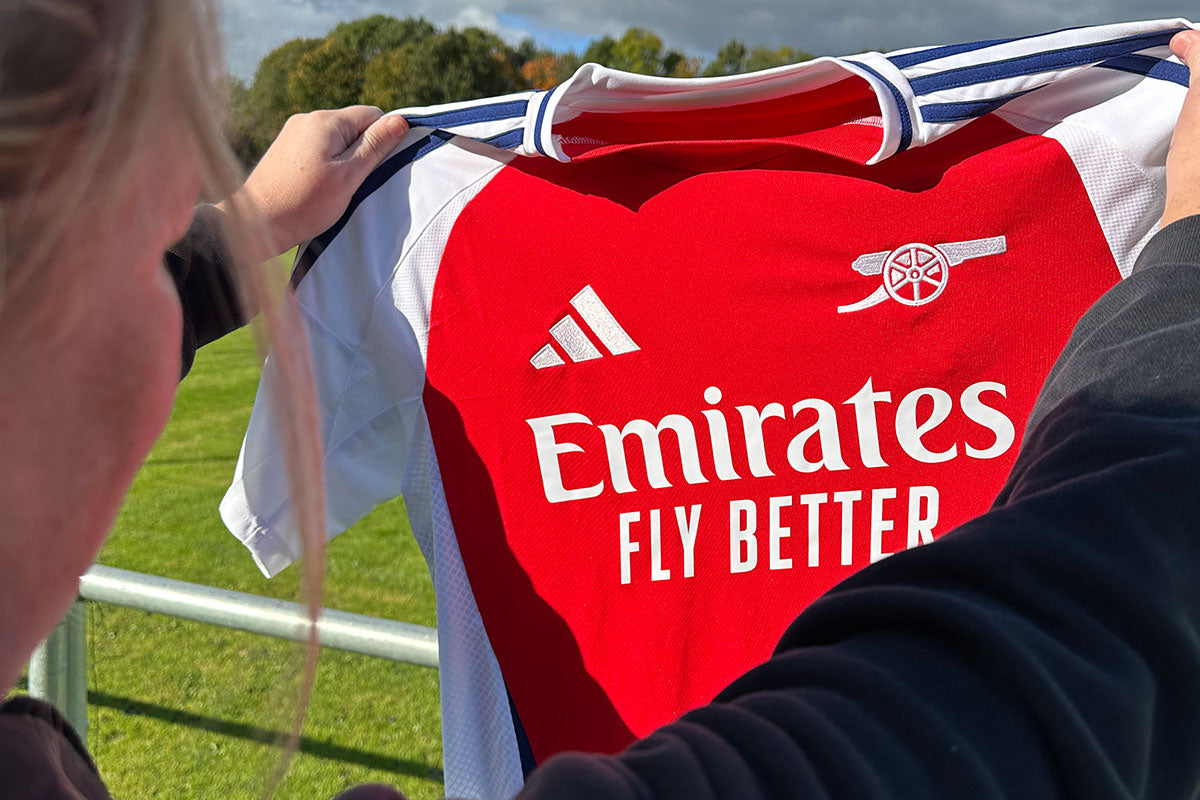
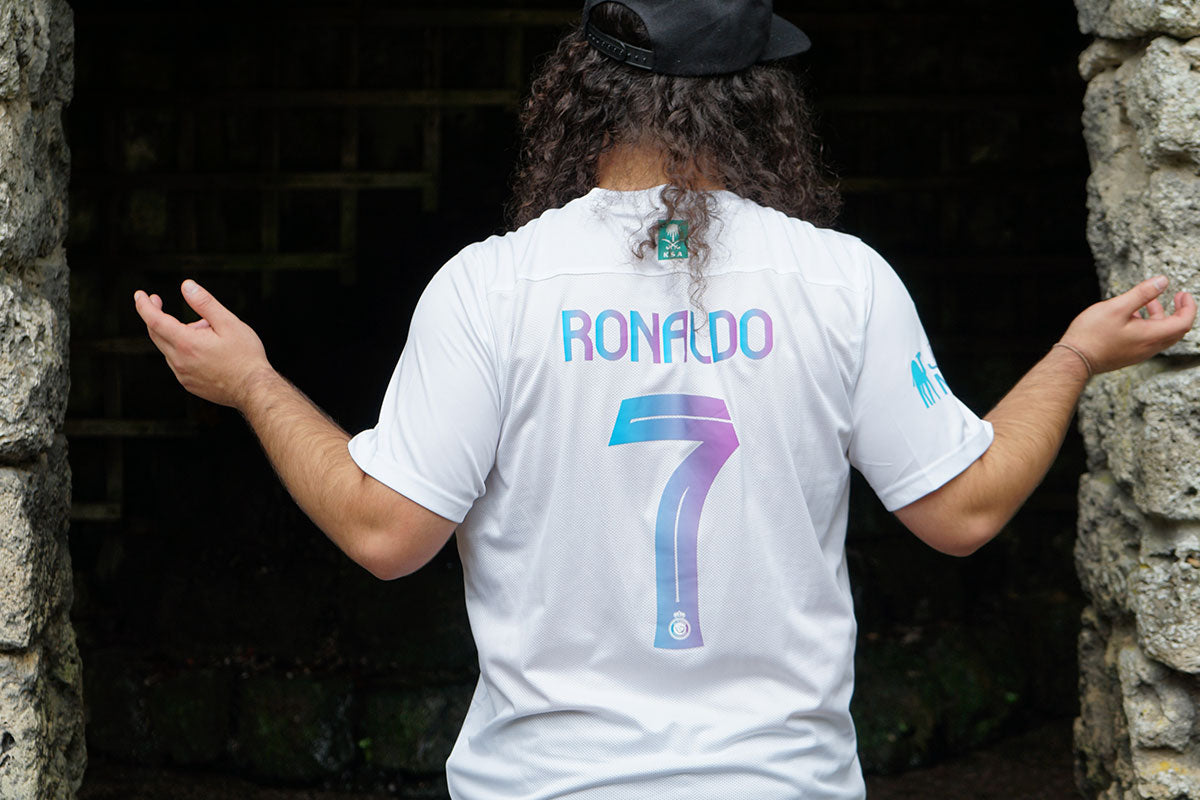
For shirt collectors, FA Cup runs have a particular charm. Because rotation is common in the early rounds and because unlikely fixtures throw together clubs from wildly different divisions, cup shirts often carry stories no league season could produce. A famous giant-killing shirt, or a kit worn in a Wembley final, becomes one of the most treasured items a supporter can own.
Every club in the draw, from the grandest Premier League name to the smallest non-league side, has a shirt worth knowing, which is exactly the spirit behind our club collector's guides such as the Manchester United shirts collector's history and the Chelsea shirts collector's history. A cup run is often when a season's shirt gets its most memorable outings.
Building a Collection
Whether your club is a serial contender or a giant-killer, the shirts are where the memories live, and our retro football shirts collection spans clubs from across the English pyramid and beyond.
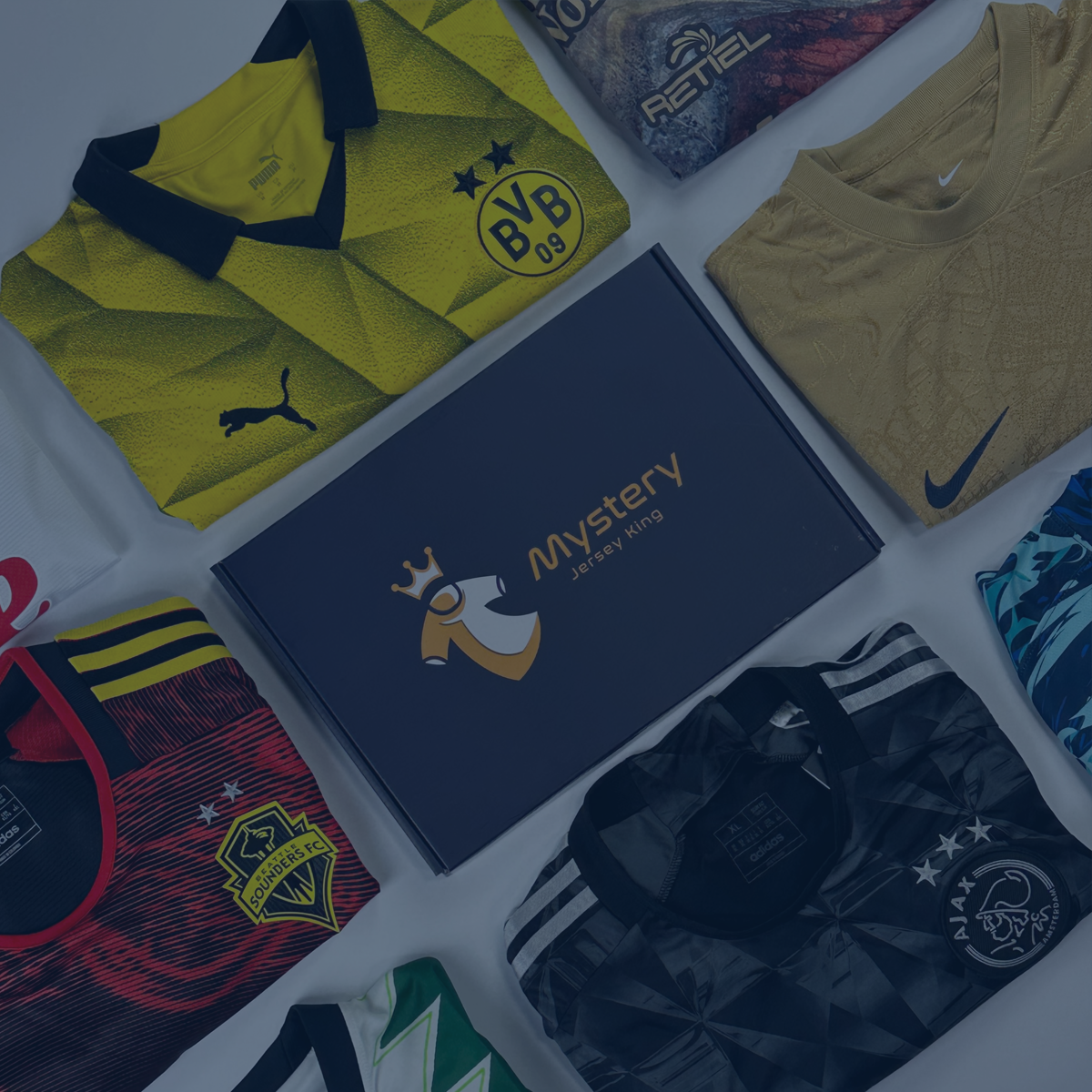
The other way in is to let the draw decide, in a sense. An MJK mystery box sends one genuine football shirt without you knowing which one is coming, any club, any nation, any era, drawn from a supply network spanning more than 50 leagues and 53 countries. It is a little like the cup draw itself: you never know who you are getting, and the surprise is half the fun.
As seen on BBC Dragons' Den. Co-founder Alex Street pitched Mystery Jersey King on Series 22, and Sara Davies MBE invested £50,000 for 15%. Read the full story here.
Related reads
Frequently Asked Questions
When was the FA Cup first played?
The FA Cup was first played in the 1871/72 season, making it the oldest football competition in the world. It predates the Football League by seventeen years, meaning organised cup football in England began before the country even had a formal league system.
How does the FA Cup work?
It is a single-elimination knockout competition open to hundreds of clubs across the English football pyramid. Non-league clubs compete through six qualifying rounds for a limited number of places in the competition proper, where they are joined by the Premier League and English Football League clubs, all playing towards the final at Wembley.
When do Premier League clubs enter the FA Cup?
Premier League and Championship clubs enter at the third round proper, held in early January. It is often called the glamour round, since it is the first stage where the biggest clubs can be drawn against much smaller opposition, making it the most common source of famous FA Cup upsets.
Why were FA Cup replays scrapped?
Replays have been permanently removed from the first round proper onwards to reduce fixture congestion for clubs in domestic and European competitions. In exchange, the Premier League now contributes significantly more money each year to grassroots football, supporting the smaller clubs that make the competition's early rounds possible.
What is a giant-killing in the FA Cup?
A giant-killing is when a club from a lower division beats a team from a significantly higher one. Because every round is a genuine knockout with no seeding, and bigger clubs often rotate their squads in early rounds, the FA Cup has produced some of football's most famous upsets throughout its long history.
Where is the FA Cup final played?
The FA Cup final is played at Wembley Stadium in London, traditionally in May at the end of the domestic season. It remains one of English football's showpiece occasions, watched by millions and giving every club that reaches it, however unlikely their run, a moment on the game's biggest domestic stage.
How does a mystery football shirt box work?
You pick your size, and Mystery Jersey King picks the shirt. One genuine football shirt arrives without you knowing which one is coming: any club, any nation, any era, drawn from a supply network spanning more than 50 leagues and 53 countries. MJK has shipped over 100,000 orders and is rated highly across more than 1,000 reviews.
Mystery Jersey King
Like the Cup Draw, But for Your Wardrobe.
You never know who you are getting, and that is the whole point. Every MJK box puts one genuine football shirt through your door without you knowing which one is coming: any club, any nation, any era.
100,000+ orders shipped. Rated 4.7/5 from 1,000+ reviews. Shipping to 53 countries. As seen on BBC Dragons' Den.


Leave a comment
This site is protected by hCaptcha and the hCaptcha Privacy Policy and Terms of Service apply.