
The short version
Brazil 1970 remains the greatest World Cup shirt ever made, and 2026 did not dislodge it. But the newest tournament put two shirts straight into the all-time conversation: Argentina's three-tone gradient, the best-designed kit of its own World Cup, and Spain's red pinstripes, which won it. Here is the full ranking, and where the 2026 field earned its place.
In this article
- How an all-time kit ranking should work
- The ten greatest World Cup kits ever made
- Where the 2026 shirts rank
- The case for Argentina 2026 as an all-time great
- Winning shirts and the unfair advantage
- The goalkeeper revolution
- The verdict on 2026 as a vintage
- Owning the classics
- Frequently asked questions
Ranking the greatest World Cup shirts of all time is an argument with no end, which is exactly why it is worth having. Nearly a century of tournaments has produced a handful of kits that transcended football entirely, and a great many more that were forgotten before the trophy was even lifted. Now the 2026 World Cup, the largest ever staged, has added more than 96 new shirts to the pile. So which of them belong in the canon, and which of the old guard do they threaten?
How an All-Time Kit Ranking Should Work
Three things decide whether a shirt lasts, and only one of them is design.
The first is the design itself: the strength of the idea and the quality of its execution. The second is the moment, because a shirt worn during something unforgettable inherits that memory permanently, and no design brief can manufacture it. The third is influence, meaning whether the shirt changed what came after it.
Get all three and you have an all-time great. Get only the first and you have a beautiful kit that nobody remembers, which describes a surprising number of the best-looking shirts ever made. This ranking weighs all three, which is why it looks different from a pure design list.

The Ten Greatest World Cup Kits Ever Made
1. Brazil 1970. The definitive football shirt. Simple yellow, green trim, worn by a side widely regarded as the greatest ever assembled, and beamed around the world in colour television for the first time. Design, moment and influence all at maximum. Nothing has come close since, and 2026 did not change that.
2. Argentina 1986. Plain sky-blue and white stripes carrying the single most argued-about tournament any individual has ever had. The shirt is unremarkable on paper. What Maradona did in it is not.
3. Denmark 1986. The boldest idea any manufacturer has taken to a World Cup: a halved shirt with pinstripes on one side, worn by a team that played with the same abandon. Still the reference point for design bravery.
4. Nigeria 1994. Green and white on a debut appearance, and the beginning of a design lineage that produced 2018's shirt, one of the fastest-selling football kits ever made. Influence in its purest form.
5. Germany 1990. The black, red and gold chevron across a white base. Instantly recognisable three decades later and endlessly reissued, which is the surest sign a shirt has entered the canon.
6. Mexico 1994, goalkeeper. Jorge Campos designed his own kits and they looked like nothing else in football, before or since. The reason goalkeeper shirts are collectable at all traces back to him.
7. Croatia 1998. The red and white chequerboard, introduced to a global audience by a debutant nation reaching a semi-final. A shirt that is now inseparable from national identity.
8. France 1998. A first title, won on home soil, in a clean and confident blue. The moment carries it.
9. Argentina 2022. The shirt of a long-awaited third title and of Lionel Messi finally lifting the trophy in Qatar. Modern, but already permanent.
10. Spain 2026. The newest entry, and it earns its place on the third criterion rather than the first. More on that below.
Where the 2026 Shirts Rank
The honest answer is that 2026 was an exceptionally strong vintage that produced no single shirt to rival Brazil 1970, which is not a criticism so much as a description of how high that bar sits.
What 2026 did produce was unusual depth. It was the first 48-nation World Cup, which meant more than 96 kits, including debut shirts from nations that had never appeared before. The average standard was the highest of any tournament, and the weakest tier was unusually thin. Four shirts have a genuine claim on the all-time conversation: Spain's winning home, Argentina's gradient, South Korea's hidden tiger, and France's Statue of Liberty away.
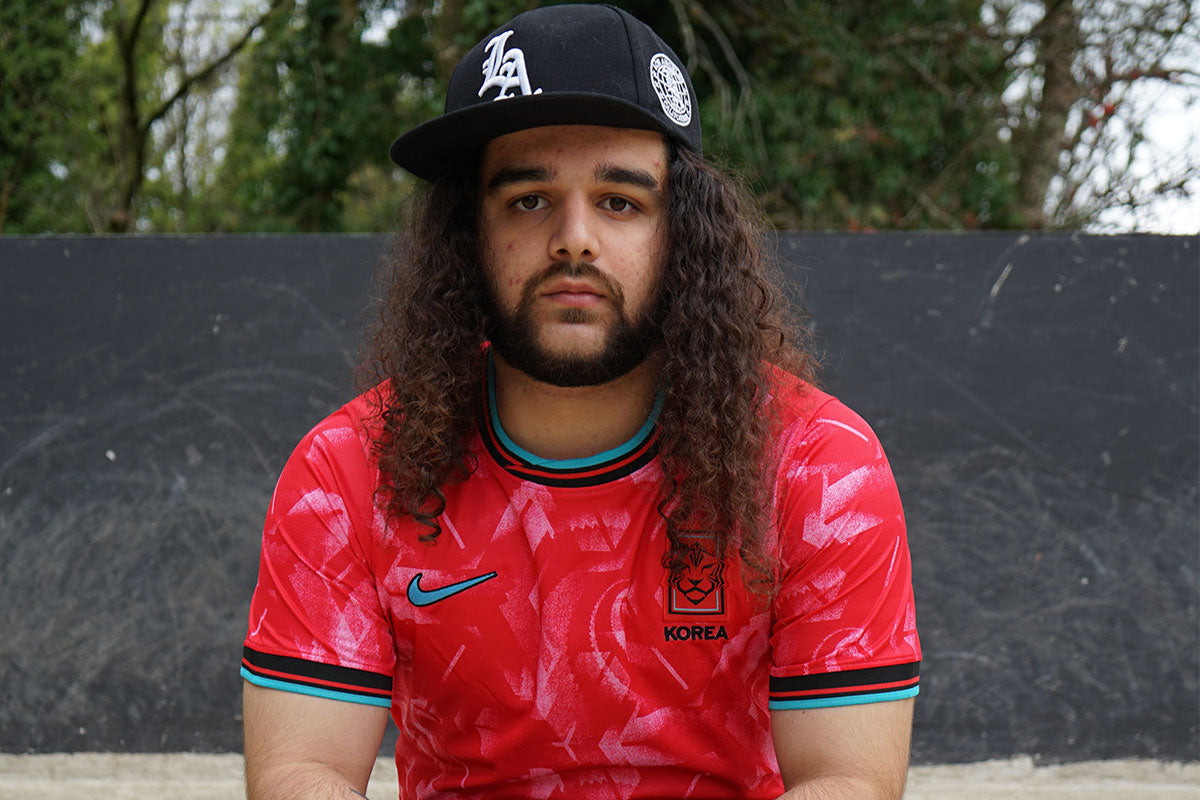
South Korea's is the one design purists will argue hardest for. A white tiger, the symbol of Korean football, woven into the fabric in tonal camouflage so it only appears on close inspection. It is arguably the cleverest kit design of the last decade. It also went out at the group stage, which is precisely the problem: it has the design but not the moment. That combination usually means a shirt is admired rather than immortal. Our full ranking of the 2026 field is in the 2026 World Cup kit tier list.
The Case for Argentina 2026 as an All-Time Great
Of everything 2026 produced, Argentina's home has the strongest long-term claim, and it is worth setting out why.
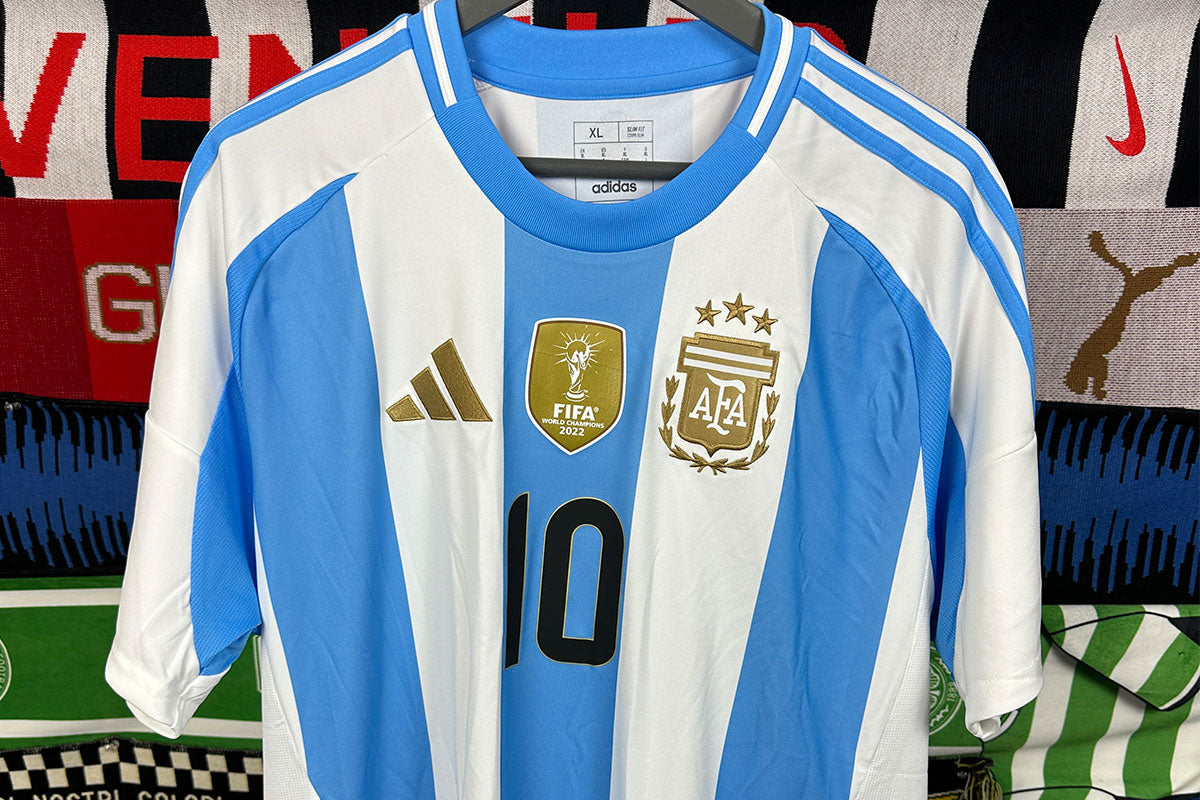
The design is the most intelligent of its generation. The familiar sky-blue and white stripes are rendered as a three-tone gradient, with each shade referencing one of Argentina's World Cup-winning sides: 1978, 1986 and 2022. It reads as a traditional shirt at a glance and reveals its structure only on closer inspection, which is the same quality that keeps Denmark 1986 in every serious ranking.
The moment is there too, if not the one Argentina wanted. Lionel Messi wore it through what is almost certainly his last World Cup, scoring eight goals and breaking the all-time World Cup scoring record along the way, before losing the final. A shirt attached to a farewell of that magnitude does not fade. We covered that story in Messi's last World Cup.
What it lacks is the trophy, and history is unkind to losing finalists. The Netherlands produced some of the most beautiful shirts ever made and are remembered for finals they lost. Argentina 2026 will likely settle just outside the very top tier for the same reason: magnificent, significant, but not victorious.

Winning Shirts and the Unfair Advantage
Look again at the top ten and the pattern is obvious: most of them won. Brazil 1970, Argentina 1986, France 1998, Argentina 2022. Winning is the single most reliable route into the canon, and it is why Spain's 2026 home enters the list despite being, on pure design, the most restrained shirt of its tournament.
It is a deep red Adidas kit with thin vertical yellow pinstripes drawn from the flag and crest, navy sleeves, and Three Stripes in red-yellow-red. In a field full of ambitious concepts it barely raised its voice. Then Spain conceded a single goal across the entire tournament and beat Argentina 1-0 after extra time in the final at MetLife, Ferran Torres settling it, and the shirt became something no design could have made it. We wrote about it in full in the shirt that won the 2026 World Cup.
That is the unfair advantage, and it is worth naming honestly. Plenty of better-looking shirts will never be as collectable as this one, because collectability follows significance, and nothing generates significance like a trophy.
Every all-time list is really two lists arguing with each other: the shirts people love to look at, and the shirts people love to own. They overlap less than you would think.
- Jamie King, co-founder, Mystery Jersey King
The Goalkeeper Revolution
One 2026 development deserves separating out, because it may prove the tournament's most lasting contribution. It was the first World Cup at which goalkeepers received bespoke, nation-specific designs rather than a generic template, and the difference was immediate.
That matters historically. Since Jorge Campos in 1994, goalkeeper shirts have been the most creative and least respected category in football kit design. 2026 formalised what he started, and the best of the new keeper kits are among the most collectable shirts of the tournament. Not every experiment landed, and the Saudi Arabia goalkeeper kit was voted the worst-rated of the whole competition, but a category that produces both the boldest successes and the loudest failures is a category people are paying attention to.
The Verdict on 2026 as a Vintage
2026 will be remembered as a strong tournament for kits without a single transcendent one. It gave the canon Spain's winning red and Argentina's gradient, it produced the finest set of goalkeeper shirts ever made, and it delivered the deepest field of designs in World Cup history simply because there were more nations than ever.
It also produced two shirts whose significance has nothing to do with results: Brazil's away, the first Brazil national team kit to carry the Jordan Jumpman rather than the Swoosh, and Germany's home, the last Adidas will ever make for them. Both are era-markers, and era-markers age well. Add the return of the Adidas Trefoil to away kits after 36 years and the whole 2026 generation is unusually easy to date at a glance, which collectors reliably value. Our full look back is in the 2026 World Cup in shirts retrospective.
Ask again in ten years and the ranking will have moved. That is the nature of an all-time list: it is written forwards but only settles backwards.
Owning the Classics
Most of the shirts in the top ten are findable if you are patient, and the older ones surface through specialist collectors rather than shops. The retro football shirts collection is where to start, and our guide to the best retro football shirts of all time goes wider than the World Cup into club football and the great club kits of the same eras.
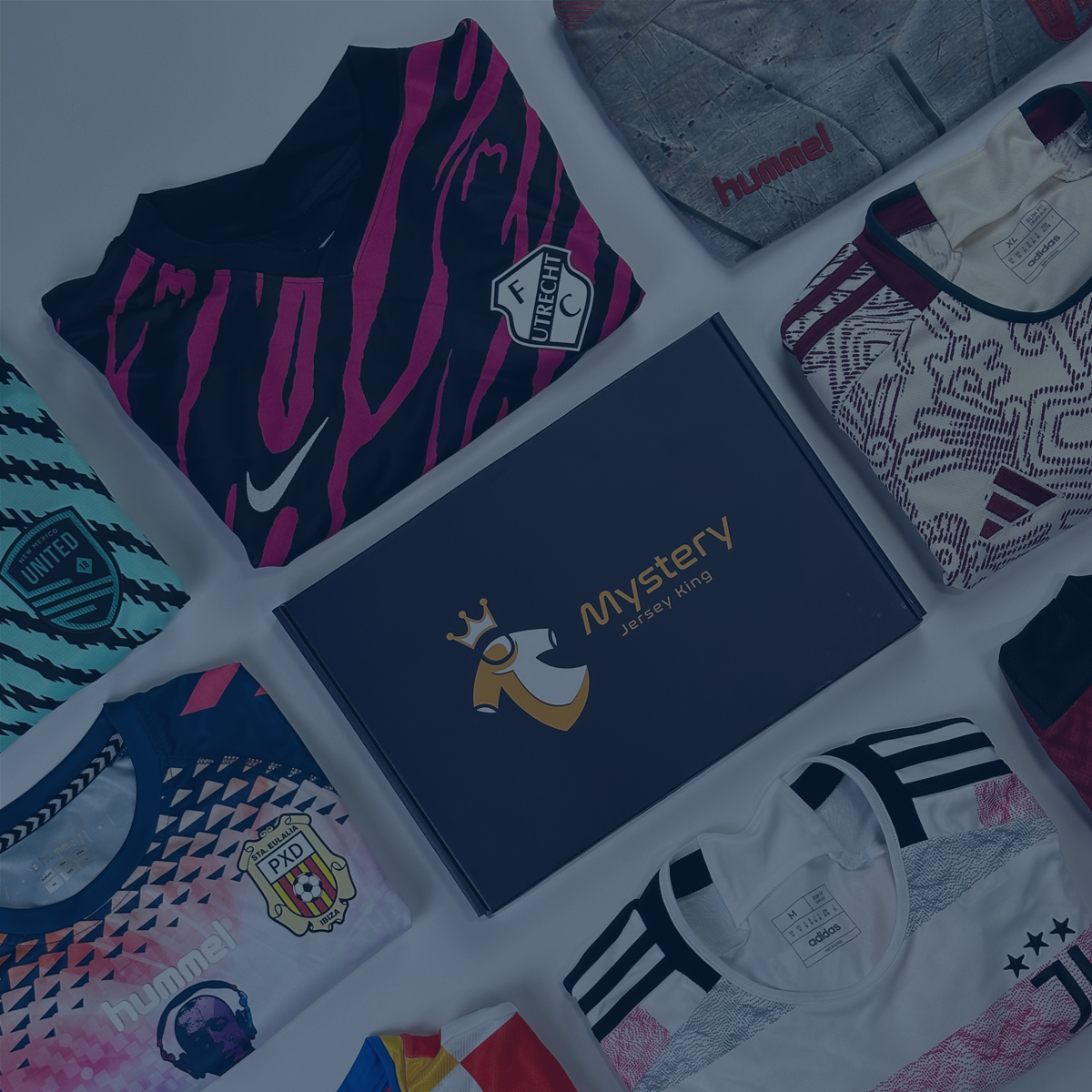
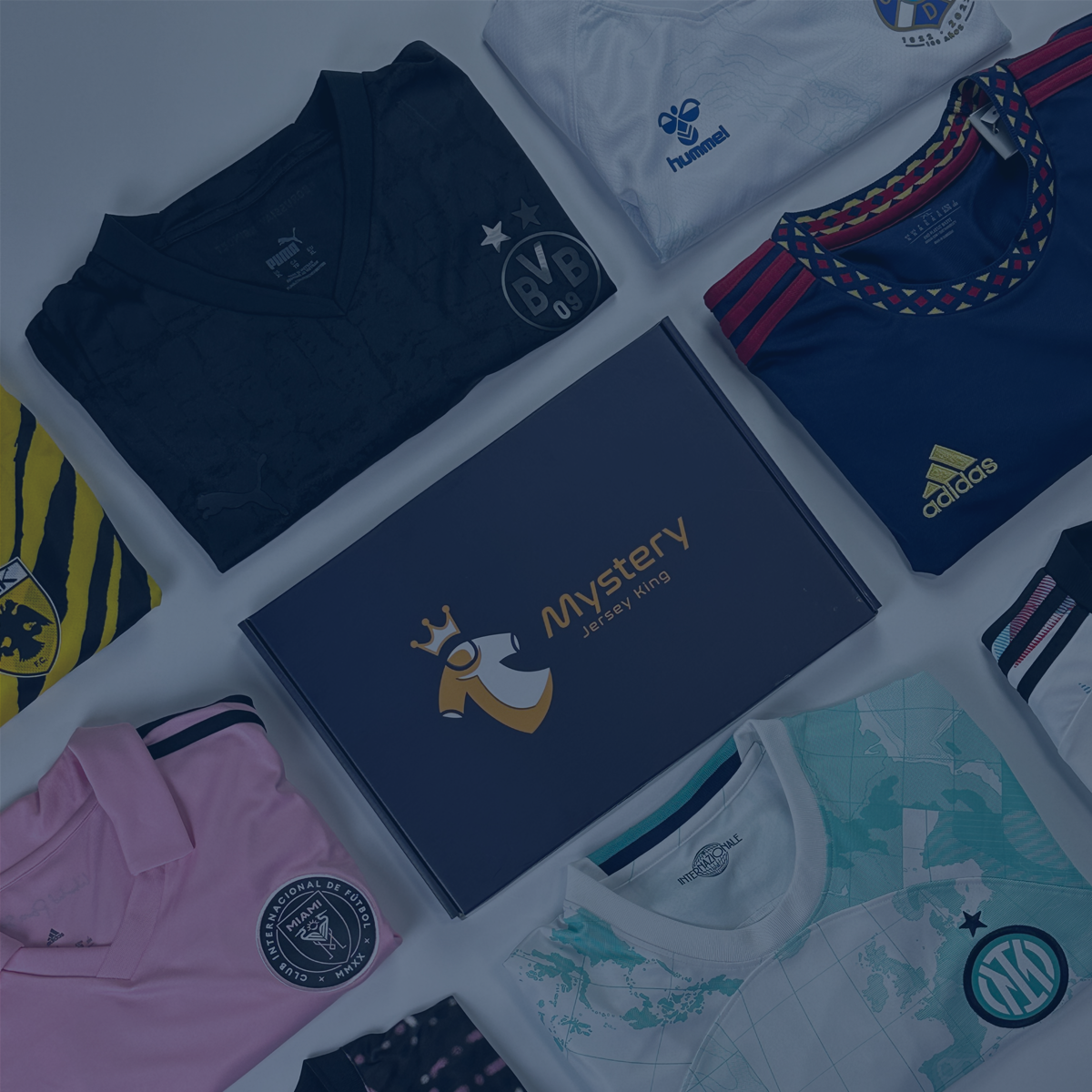
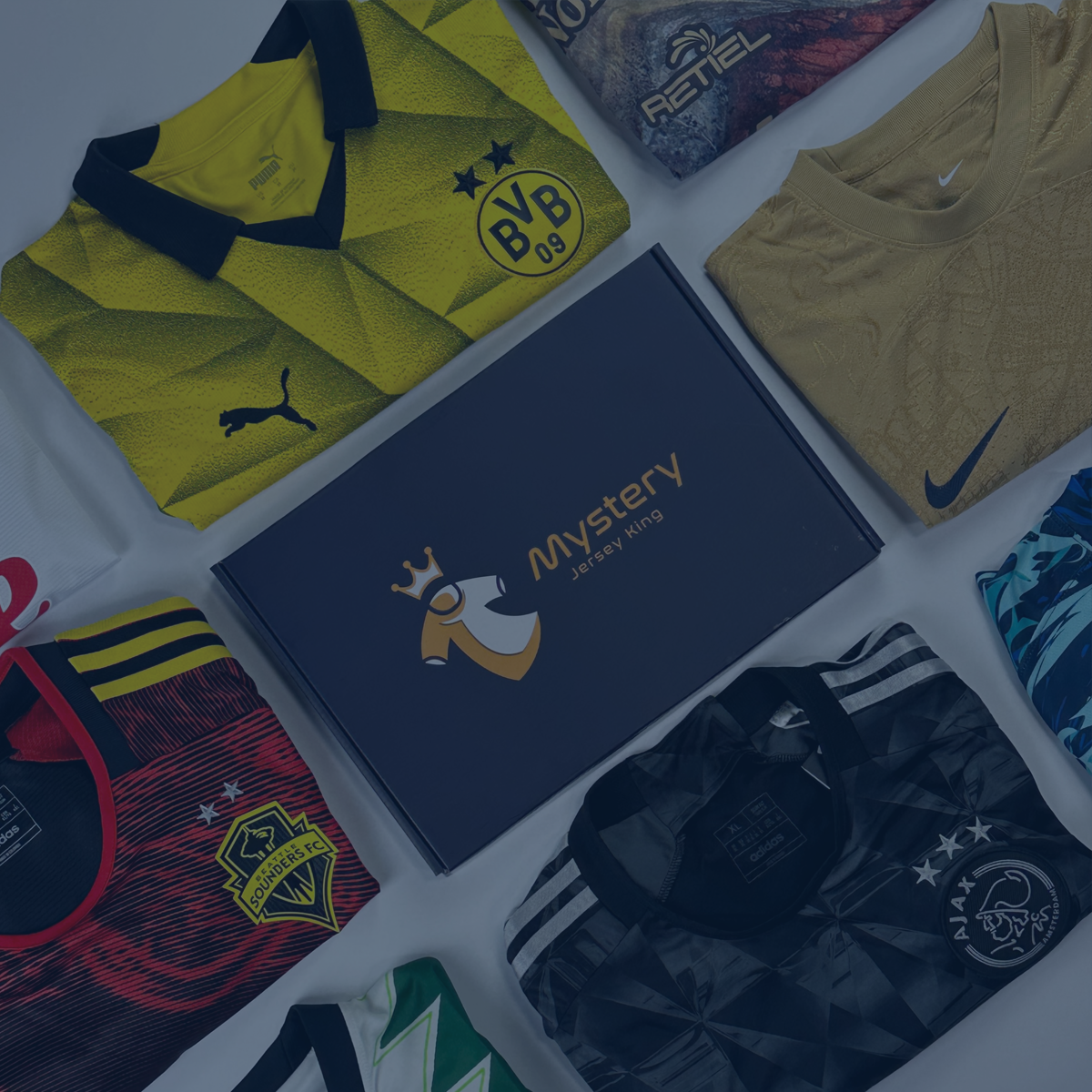
The other route is not to hunt at all. An MJK mystery box sends one genuine football shirt without you knowing which one is coming: any club, any nation, any era, drawn from a supply network spanning more than 50 leagues and 53 countries. Most people who end up with a serious collection did not plan the first half of it.

As seen on BBC Dragons' Den. Co-founder Alex Street pitched Mystery Jersey King solo on Series 22, and Sara Davies MBE invested £50,000 for 15%. Read the full story here.
Related reads
Frequently Asked Questions
What is the best World Cup kit of all time?
Brazil's 1970 home shirt is almost universally regarded as the greatest World Cup kit ever made. The simple yellow with green trim was worn by a side widely considered the finest ever assembled, and it reached a global audience through colour television for the first time. It combines design, moment and influence more completely than any shirt since.
Where do the 2026 World Cup shirts rank all time?
2026 was a strong vintage without producing a single transcendent shirt. Spain's winning red home enters the all-time top ten on the strength of the trophy, and Argentina's three-tone gradient has the best design case of the tournament. South Korea's hidden-tiger home and France's Statue of Liberty away are the other candidates for lasting status.
Why do winning teams' shirts rank so highly?
Because collectability follows significance rather than design. A shirt worn while a trophy is lifted becomes the permanent visual reference for that triumph, appearing in every retrospective and reissue for decades. That is why plenty of better-looking shirts will never be as sought after as an ordinary-looking kit that won a World Cup.
What made the 2026 goalkeeper kits significant?
2026 was the first World Cup at which goalkeepers received bespoke, nation-specific designs rather than a generic template. It formalised a tradition of goalkeeper creativity that traces back to Jorge Campos designing his own kits for Mexico in 1994, and the best of the new keeper shirts are among the most collectable of the tournament.
Which 2026 shirts are era-markers for collectors?
Brazil's away was the first Brazil national team shirt to carry the Jordan Jumpman rather than the Nike Swoosh, and Germany's home was the last kit Adidas will ever produce for them. The Adidas Trefoil also returned to World Cup away shirts for the first time in 36 years. All three make the 2026 generation unusually easy to date at a glance.
Why is the South Korea 2026 shirt so admired?
Its home shirt hides a white tiger, the symbol of Korean football, in tonal camouflage across the fabric, so it reads as a clean red shirt at a glance and only reveals the design up close. It is arguably the cleverest kit concept of the last decade, though South Korea's group-stage exit means it has the design without the defining moment.
How does a mystery football shirt box work?
You pick your size, and Mystery Jersey King picks the shirt. One genuine football shirt arrives without you knowing which one is coming: any club, any nation, any era, drawn from a supply network spanning more than 50 leagues and 53 countries. MJK has shipped over 100,000 orders and is rated 4.7 out of 5 from more than 1,000 reviews.
Mystery Jersey King
Every Classic Was Once Just This Season's Kit.
Nobody knew Brazil 1970 was the greatest shirt ever made until years later. Every MJK box puts one genuine football shirt through your door without you knowing which one is coming: any club, any nation, any era.
100,000+ orders shipped. Rated 4.7/5 from 1,000+ reviews. Shipping to 53 countries. As seen on BBC Dragons' Den.


Leave a comment
This site is protected by hCaptcha and the hCaptcha Privacy Policy and Terms of Service apply.