
In this article
- What makes a World Cup shirt genuinely rare
- Brazil 1970 home - the original yellow
- Argentina 1986 home - the Maradona shirt
- West Germany 1990 home - the holy grail
- Denmark 1986 - the Hummel carnival kit
- Senegal 2002 home - the great debut
- USA 1994 denim - the shirt that became a myth
- Croatia 1998 home - the original checkerboard
- Cameroon 1990 - Roger Milla's shirt
- How to find rare World Cup shirts in 2026
- Frequently asked questions
A rare World Cup shirt is not simply an old shirt. It is an original, from the actual tournament, in a condition that reflects genuine care rather than decades of neglect, produced in quantities that have since become scarce relative to the number of collectors now pursuing them. Those three criteria, age, authenticity and condition, determine which World Cup shirts sit at the top of the market and which are merely interesting curiosities.
The collector market for rare World Cup shirts has strengthened significantly over the last decade. Shirts that changed hands for tens of pounds in the early 2000s now command hundreds. Match-worn examples from iconic tournaments have reached auction prices that would have seemed implausible twenty years ago. This post covers the eight rare World Cup shirts that every serious collector wants, and explains what makes each one so difficult to find in good original condition.
What Makes a World Cup Shirt Genuinely Rare
Several factors combine to determine how rare a World Cup shirt becomes over time. Production volume is the most obvious: shirts made before the replica market expanded in the late 1980s were produced in far smaller quantities than modern kits. A 1970 Brazil shirt was made for players, officials and a limited number of fans in the immediate vicinity of the tournament. There was no global replica market. There was no online retail. What exists now is what was made then, minus everything that has been lost, damaged or destroyed in the intervening decades.
Historical significance is the second factor. A shirt worn at a moment that defined a generation, the 1986 quarter-final between Argentina and England, the 1990 final in Rome, the 2002 South Korea semi-final, carries the weight of that moment permanently. The shirt becomes part of the historical record rather than simply a garment. Third is condition: a shirt that has survived fifty-plus years in wearable condition, with labels intact, colours true and fabric undamaged, is categorically different from one that shows the wear of normal use over that period.

Brazil 1970 Home - the Original Yellow
The benchmark against which all other rare World Cup shirts are measured. The yellow shirt worn as Brazil produced what many consider the greatest football ever played at a World Cup, Pele, Jairzinho, Tostao, Rivelino, culminating in the 4-1 destruction of Italy in the final in Mexico City. The design is so clean, so right and so permanent that Brazil's shirt has barely changed in the 55 years since.
An original 1970 Brazil home shirt in good condition is extraordinarily rare. Production volumes were minimal by modern standards. The shirts were made for a tournament in a hot country in 1970, which means many were washed repeatedly and wore out. Those that survived have largely ended up in private collections or museums. Replica versions exist and are themselves collectable, but a genuine original from the tournament itself is a different category of object entirely. Prices for authenticated originals have reached thousands of pounds at specialist auction.
Argentina 1986 Home - the Maradona Shirt
The shirt Maradona wore when he scored the Hand of God and the Goal of the Century in the same match against England. Le Coq Sportif, light blue and white stripes, the number 10 on the back. As a design it is beautiful but not exceptional. As a historical object it is almost without parallel in football shirt collecting.
The match-worn version, Maradona's actual shirt from the quarter-final against England, sold at auction for over seven million pounds in 2022. That figure is beyond the reach of all but the most serious institutional collectors. But the replica and fan versions of the 1986 Argentina home shirt, produced at the time of the tournament, are themselves increasingly rare and increasingly expensive. Original Le Coq Sportif examples from 1986 in good condition command significant premiums. They are bought and sold in a market that understands their significance precisely.
West Germany 1990 Home - the Holy Grail
The consensus answer when experienced collectors are asked which single World Cup shirt they would most want to own. The Adidas home shirt from Italia 90, black, red and gold geometric abstraction across the chest, worn as West Germany defeated Argentina 1-0 in Rome to win the World Cup. The design is extraordinary by any measure: a geometric pattern in the national colours that manages to be simultaneously bold, precise and elegant.
It is the shirt that appears at or near the top of virtually every serious collector ranking. Norwegian collector Even Nesset has described something close to false memory from seeing it, such is its power to generate emotional attachment in people who were not even alive when it was worn. Original Adidas versions from 1990 in good condition are among the most sought-after football shirts in existence, not just among rare World Cup shirts but across all categories of football shirt collecting.
Denmark 1986 - the Hummel Carnival Kit
Denmark's 1986 World Cup was their first appearance in the tournament in 24 years, and they announced themselves in Mexico wearing a Hummel design that divided opinion immediately and has grown in reputation consistently since. The home shirt is a red base with diagonal chevron stripes. The away shirt, the one that Danish media called a carnival suit, is a two-panel design: white on one side, red-pinstriped on the other.
Denmark beat West Germany in the group stage in that away shirt. They beat Uruguay. A nation playing their first World Cup in a generation, wearing a shirt so distinctive it defined Hummel's visual identity for years. Original Hummel examples from 1986 in any condition command premiums that reflect their scarcity. The away shirt in particular is one of the hardest rare World Cup shirts from the 1980s to find in good original condition.

Senegal 2002 Home - the Great Debut
Senegal's debut World Cup appearance in 2002 produced one of the great underdog stories in tournament history. They beat France, the defending champions, in the opening game, wearing a Le Coq Sportif green and yellow shirt. They reached the quarter-finals. They came within a missed penalty of the semi-final.
The shirt worn during that run is one of the most underrated rare World Cup shirts in the modern era. It is relatively obscure among casual collectors and deeply prized among serious ones precisely for that reason. Senegal's debut tournament, a genuine shock victory over the reigning world champions, a quarter-final run that ended only on penalties, all compressed into a shirt that most people outside of serious collecting circles cannot immediately identify. Original examples in good condition are genuinely difficult to find at any price.
USA 1994 Denim - the Shirt That Became a Myth
All 50,000 replica kits sold immediately in 1994. Thirty years later, Adidas rereleased a lifestyle version without being able to use the US Soccer crest and it sold out regardless. The denim-effect blue with diagonal white stars is the most culturally significant World Cup shirt produced on American soil, and it has become part of broader sportswear and street culture well beyond football.
Original Adidas examples from 1994, particularly in larger sizes that were less commonly purchased at the time, are increasingly scarce. The rerelease and the ongoing cultural cachet of the design have driven demand for originals to levels that make good condition examples expensive. This is a rare World Cup shirt whose value has been driven partly by design culture rather than purely by football history, which gives it a broader appeal than most collector shirts and a correspondingly more competitive market.
Croatia 1998 Home - the Original Checkerboard
Croatia's debut World Cup in France 1998 gave the world the checkerboard shirt. Lotto, red and white squares, Davor Suker finishing as top scorer with six goals, a semi-final run that ended only against the host nation. The design was bold enough to define Croatian football identity permanently from that moment forward. Every Croatia shirt since has referenced the checkerboard in some form.
The original 1998 Lotto version is therefore the founding document of one of football's most recognisable national identities. Collectors who want the shirt that started the checkerboard tradition must find a genuine 1998 original, and those have become considerably harder to source in good condition as demand from Croatian supporters, general football shirt collectors and those who simply love the design has grown simultaneously over the last decade.

Cameroon 1990 - Roger Milla's Shirt
Cameroon's 1990 World Cup in Italy was the tournament that changed how Europe understood African football. They beat Argentina in the opening game. They beat Colombia in the round of 16, with 38-year-old Roger Milla coming off the bench to score twice and perform his corner-flag dance that became one of football's most reproduced images. They reached the quarter-finals before losing to England in extra time.
The green Lion Sportif shirt worn throughout that run is one of the most significant African national team shirts from any World Cup. It represents a moment that genuinely changed perceptions of what African football could achieve at the highest level. Original examples in good condition are rare and the combination of historical significance and growing collector interest in African national team shirts specifically makes this a rare World Cup shirt whose value has consistently appreciated.
How to Find Rare World Cup Shirts in 2026
The market for rare World Cup shirts operates across several channels: specialist auction houses, established retro shirt retailers, collector forums and marketplaces, and mystery box services that draw from global supply networks. Each channel has different strengths and different risks.
Auction houses provide authentication but charge significant premiums. Marketplaces offer variety but require buyers to run their own authenticity checks carefully. Specialist retailers provide the verification of an established reputation alongside a curated selection. As seen on BBC Dragons' Den, MJK's retro and international football shirt collection sources authentic shirts from a verified global network spanning 53 countries, with national team shirts from World Cup nations appearing regularly in the rotation.
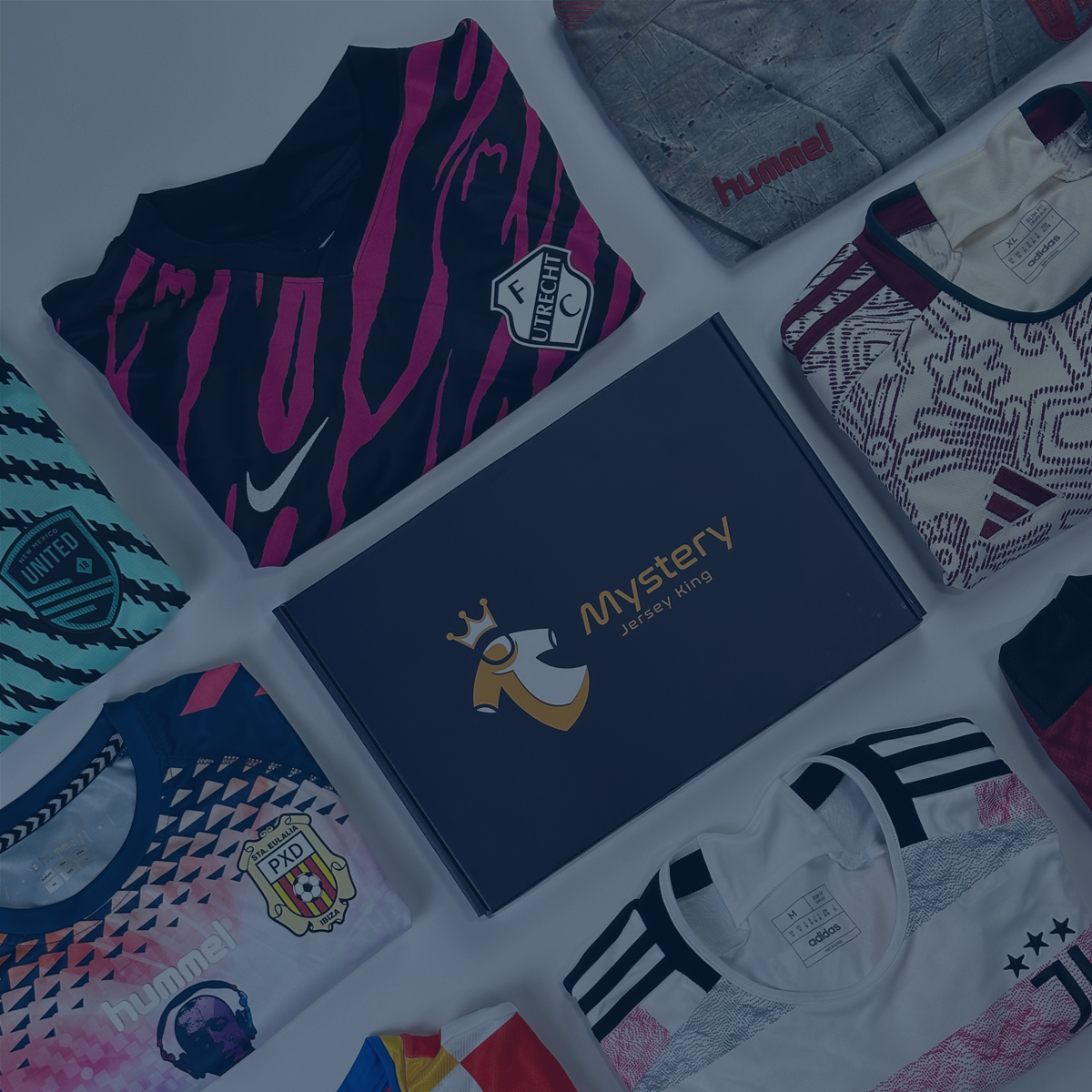
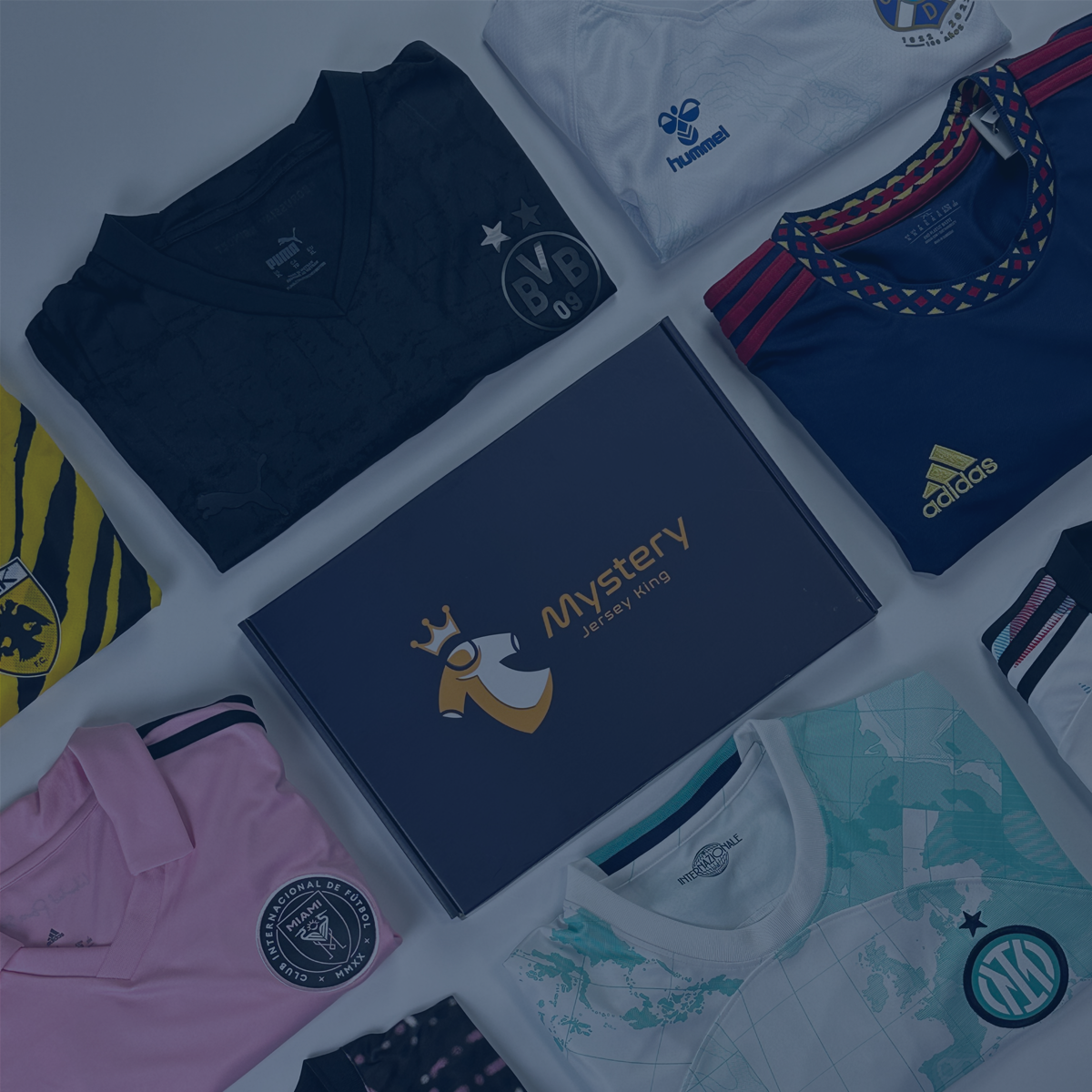
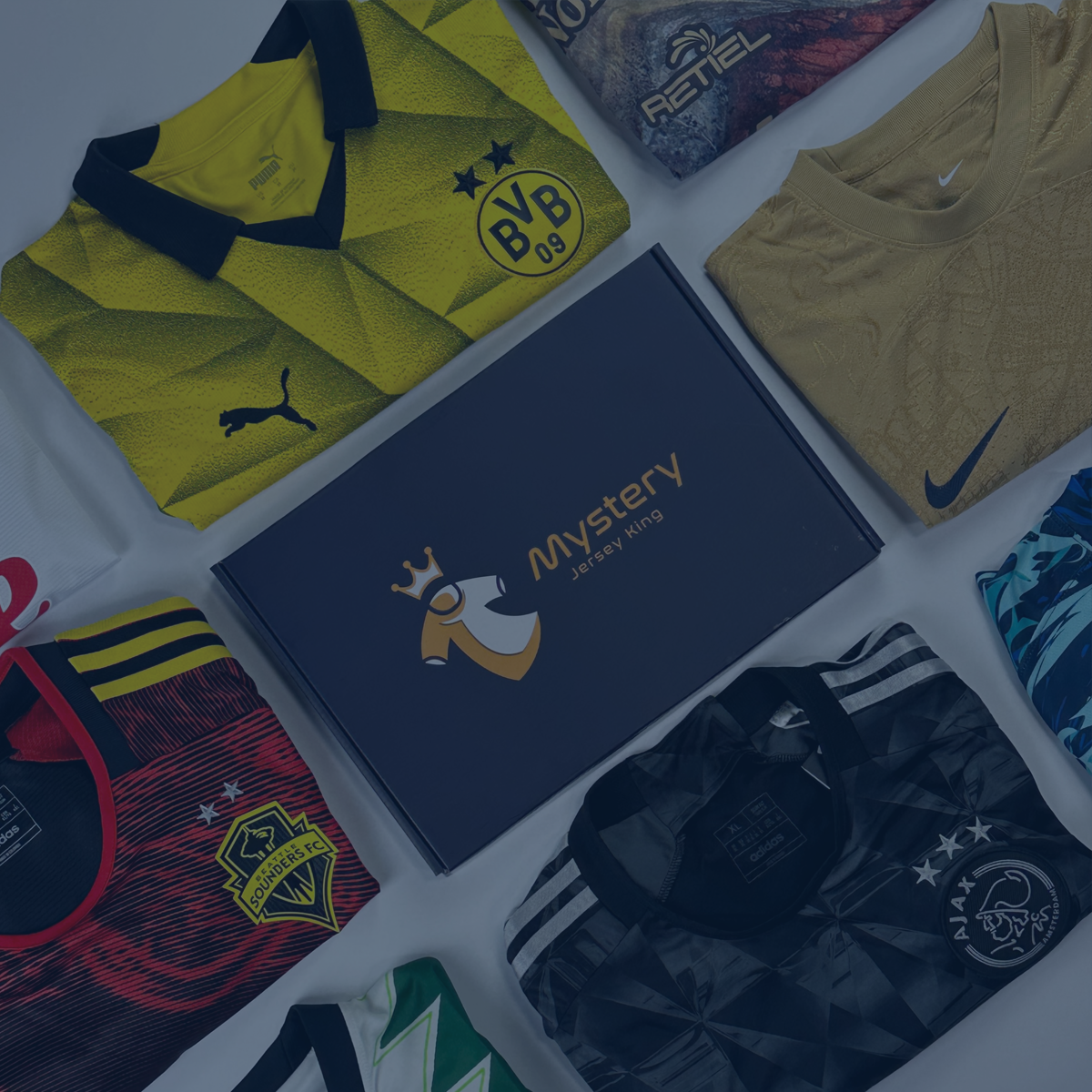
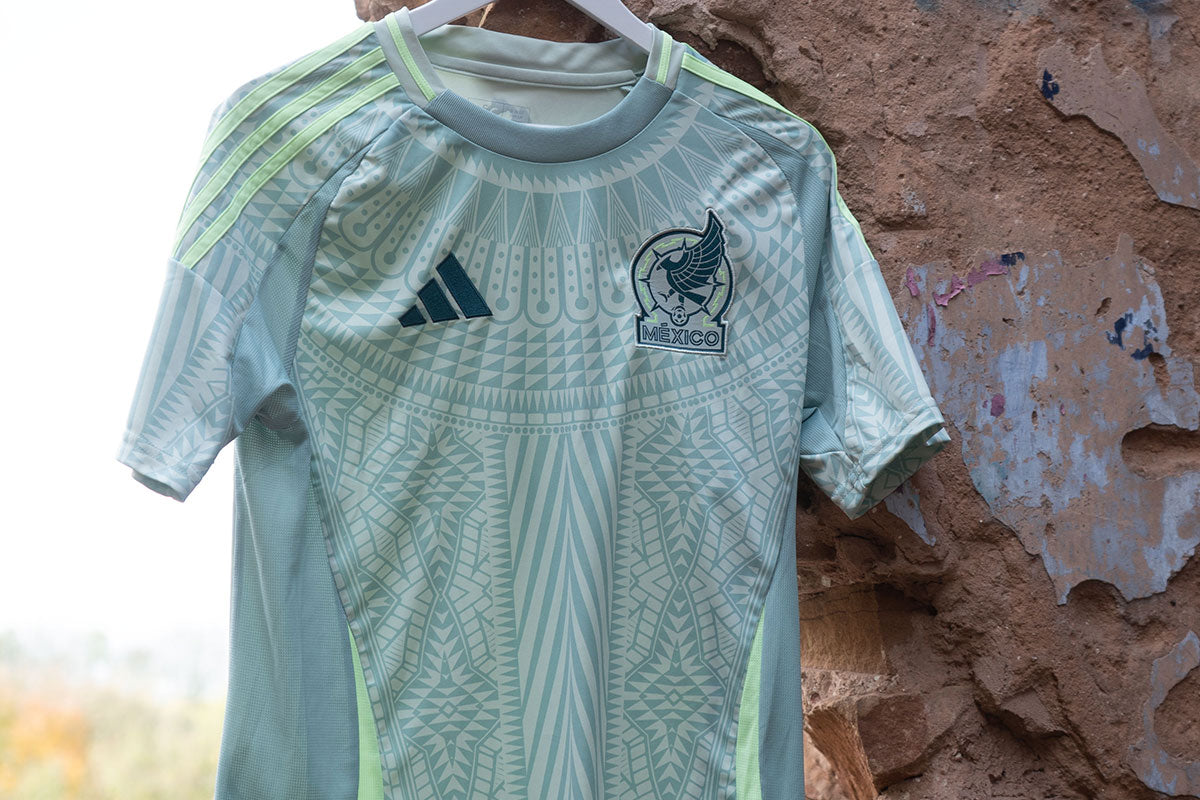
For shirts from the current tournament specifically, MJK's World Cup 2026 collection features the dedicated World Cup 2026 Mystery Football Shirt Box — one authentic shirt from any of the 48 competing nations, the future rare shirts of this tournament. For the broader discovery element across all eras, an MJK mystery football shirt box draws from that same global network. Rare World Cup national team shirts feature in the rotation, and a mystery box occasionally produces results that a deliberate search would not have found. Collectors who open boxes consistently over time accumulate shirts they would never have actively sought out, which is often how the most interesting collections are built.
As seen on BBC Dragons' Den. Mystery Jersey King appeared on BBC Dragons' Den and secured investment from Sara Davies. Every shirt in the MJK collection is authenticated before it ships. Read the full story here.
Related World Cup reads
Frequently Asked Questions
What is the rarest World Cup shirt in existence?
The rarest World Cup shirts in existence are match-worn originals from the earliest tournaments, particularly the 1930, 1934 and 1950 editions, where production volumes were minimal and survival rates across nine decades are extremely low. Among shirts from the television era, the 1970 Brazil home original in good condition and the 1986 Argentina home shirt worn by Maradona are the most significant and most valuable. Maradona's actual match-worn shirt from the 1986 quarter-final against England sold for over seven million pounds at auction in 2022.
Which era produced the rarest World Cup shirts?
The 1970s and 1980s produced the rare World Cup shirts that are now hardest to find in good original condition. Production volumes were limited relative to the global replica market that developed from the late 1980s onwards, and the shirts that were produced have had decades to be lost, damaged or worn out. Shirts from 1986 and earlier in genuinely good condition are increasingly scarce regardless of which nation they represent.
How much are rare World Cup shirts worth?
Values vary enormously depending on era, condition and historical significance. Match-worn examples from iconic tournaments reach auction prices in the tens or hundreds of thousands of pounds for the most significant shirts. Replica and fan versions of rare World Cup shirts from the 1970s and 1980s in good condition typically range from a few hundred to several thousand pounds. Shirts from the 1990s and early 2000s remain more accessible, with original examples in good condition generally ranging from £50 to £300 depending on the nation and the specific tournament.
What is the most sought-after World Cup shirt among collectors?
The West Germany 1990 home shirt (Adidas, black, red and gold geometric design) is consistently cited as the most sought-after World Cup shirt among serious collectors. It combines exceptional design with the historical weight of a World Cup final victory, and original examples in good condition are genuinely scarce. The Argentina 1986 home shirt and Brazil 1970 home are the strongest alternatives in most collector rankings.
How do I know if a rare World Cup shirt is authentic?
Authenticating a rare World Cup shirt requires checking the manufacturer label (correct era branding, no pen marks, clean printing), the product code where applicable, the badge quality and stitching, the fabric weight and texture for the era, and the internal seam stitching. For pre-2000 shirts, era-appropriate ageing and manufacturer branding accuracy are the most reliable indicators. Buying from a verified specialist retailer with a clear authenticity guarantee removes this burden entirely. MJK's guide to authenticating retro football shirts covers every check in detail.
Can you get rare World Cup shirts through a mystery box?
MJK's mystery football shirt box draws from a global supply network spanning 53 countries. National team shirts from World Cup nations feature regularly in the rotation, including shirts from less common nations that are underrepresented in standard retail channels. For specific rare World Cup shirts from particular tournaments, MJK's retro and international shirt collection is the place to browse, as stock is visible and searchable rather than a surprise.
Are African national team World Cup shirts rare?
Yes. African national team shirts from World Cup tournaments are among the most undervalued rare World Cup shirts in the collector market, particularly from the 1990s and early 2000s. Senegal 2002, Cameroon 1990, Nigeria 1994 and Ivory Coast 2006 are all historically significant shirts that remain accessible compared to their European equivalents. As collector interest in African football shirt history has grown, availability of originals in good condition has declined and prices have risen accordingly.
Find authentic World Cup shirts with Mystery Jersey King
As seen on BBC Dragons' Den. Authentic international shirts from 53 countries. Rare World Cup nation shirts featuring in the retro collection and mystery box rotation.
- Retro and international shirt collection
- Men's mystery football shirt box, from £37.99
- Women's mystery football shirt box, from £29.99
- Kids' mystery football shirt box, from £24.99
- Share boxes, 3, 5 or 10 shirts




Leave a comment
This site is protected by hCaptcha and the hCaptcha Privacy Policy and Terms of Service apply.