





Think about the first football shirt you remember properly noticing. Not the one you saw on television, but the one you remember feeling. Maybe it was a bold design from a tournament summer. Maybe it was a shirt you begged for as a kid, wore until it faded, and still remember clearly years later. That emotional pull sits at the heart of football shirt culture, and it explains why collecting shirts has become such a natural part of how fans experience the game.
Football shirts were not always cultural artefacts. They became that because of how fans treated them, remembered them, and carried them beyond the pitch.
When Football Shirts Were Purely Functional
In football’s early years, shirts served a single purpose. They helped players identify teammates and survive a match. Designs stayed simple. Materials felt heavy. Colours mattered only for contrast. Once a season ended, the shirt often disappeared with it.
Supporters rarely wore shirts casually. Identity lived in scarves, badges, and programmes. Shirts belonged to players, not fans. Collecting did not exist in any meaningful way because access and emotional attachment were limited.
Replica Shirts Gave Fans Ownership
Replica shirts changed everything. For the first time, fans could wear the same colours as the players they supported. Football moved off the pitch and into everyday life.
This moment marks the true beginning of modern football shirt culture. Shirts became symbols of belonging. Fans stopped replacing them season by season and started keeping them. One shirt led to another. Collections grew without intention. Memory began to stick to fabric.
Design Eras Made Shirts Unforgettable
As football expanded, shirt design followed. The late eighties and nineties marked a clear turning point. Patterns grew bolder. Sponsors became visual features rather than background details. Colours pushed boundaries.
Shirts from this era still dominate collections because they stand out instantly. Tournament kits like the Netherlands shirt from 1988 or Germany’s 1990 design remain culturally important not only because of success, but because they fixed a moment in time. You see them and remember where football was, how it felt, and why it mattered.
Some Shirts Became Cultural Landmarks
Certain shirts crossed from kit into icon. The Nigeria home shirt from the mid-nineties sits firmly in football shirt culture because it represented confidence, identity, and joy. It is worn today by fans with no link to results or allegiance, purely because it captured something bigger than a match.
The Brazil shirt from 1970 works differently. Simple design. Immense meaning. It represents football mythology rather than fashion. These shirts show that collectability comes from emotional weight, not complexity.
Shirts Became Holders Of Memory
Ask collectors why they love a shirt and the answer rarely starts with design alone. It starts with a story. A cup run. A promotion season. Watching matches with family. A tournament summer where football filled every evening.
Shirts hold memory because they remain present after moments pass. Wearing one pulls that memory forward. This is why football shirt culture feels personal rather than trend-led. A shirt becomes a reminder, not a product.
Wearing Shirts Moved Beyond Matchday
As designs improved, shirts escaped the stadium. Fans wore them to pubs, gigs, and everyday settings. Shirts stopped needing explanation. They simply became part of how people dressed.
This shift helped football shirt culture grow naturally. Wearing a shirt no longer felt like a costume. It felt normal. A Juventus home shirt from the late nineties still works today because it blends club identity with wearable design. Shirts became expressions of taste as much as support.
Collecting Moved Beyond Club Loyalty
Loyalty never disappeared, but collecting widened. Fans began choosing shirts for colour, design, or story rather than allegiance alone. A collector might own a Barcelona shirt from the late nineties because it marked a turning point in football style, not because they supported the club.
This expansion opened football shirt culture to the world. Smaller leagues gained attention. Unexpected clubs entered collections. Shirts became a way to explore football globally rather than follow a single path.
Time Changed How Shirts Are Judged
Some designs divide opinion at release and earn appreciation later. The Arsenal away shirt from the early nineties sits firmly in this category. What once felt bold or strange often becomes loved through time and memory.
This delayed appreciation explains why football shirt culture values hindsight. Shirts age into meaning. Collections grow richer as context builds.
Community Turned Collecting Into Shared Culture
Football shirts invite conversation. Someone recognises a design. Another shares a memory. Discussion starts easily. That social pull helped collecting spread.
Online spaces amplified this. Collectors now share finds, debate designs, and celebrate obscure shirts together. Football shirt culture thrives because it stays shared. Shirts connect people who support different teams but understand the feeling behind the fabric.
Mystery Added A Modern Layer To Collecting
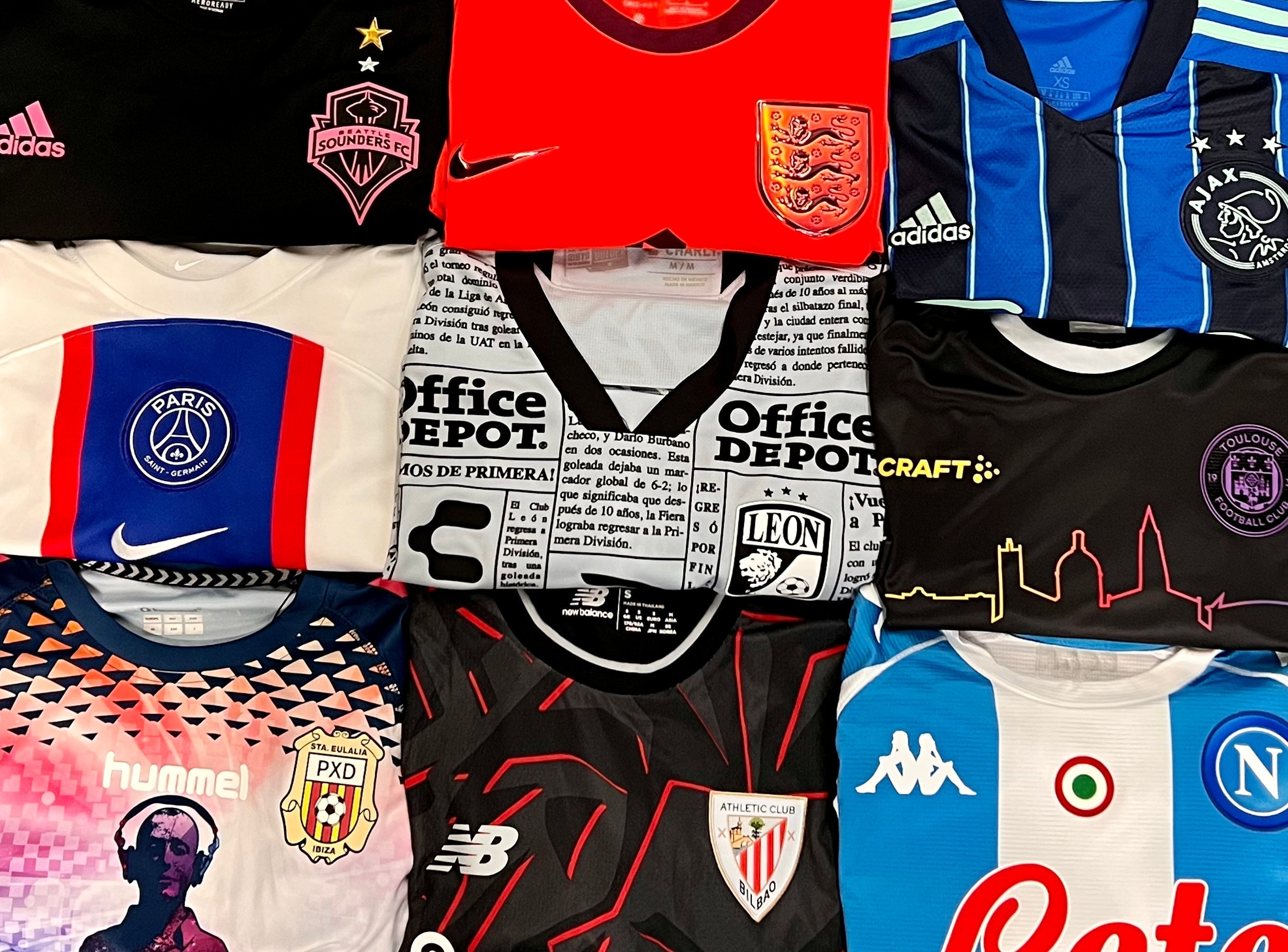
Modern collecting introduced something football has always loved. Surprise. Mystery football shirts brought unpredictability back into the experience. Instead of chasing a specific design, collectors opened themselves to something unknown.
This fits football perfectly. The game runs on moments nobody predicts. A late goal. An unexpected hero. Mystery boxes reflect that same emotion. They introduce clubs and designs collectors might never choose, but often end up wearing often.
Football Shirt Culture Then and Now
Years ago, shirts marked loyalty. Today, they mark identity. Then, shirts came and went with seasons. Now, they stay, get worn, shared, and remembered. Football shirt culture evolved because fans changed how they valued shirts, not because fashion dictated it.
Today, football shirt culture blends history, memory, fashion, and community. Shirts sit folded beside others from different eras. Some see weekly wear. Others come out for special occasions. All play a role.
Collections feel alive because they grow alongside the game. New designs arrive. Old favourites return. Shirts continue telling stories long after seasons end.
Why Football Shirt Culture Keeps Growing
Football changes fast. Formats shift. Competitions expand. Shirts offer something steady. A way to hold onto moments without freezing them in time.
That is why football shirt culture continues to grow. It gives fans a way to carry the game with them, wherever they go.
Want To Be Part Of The Culture?
If you enjoy the stories behind the shirts as much as the shirts themselves, explore our mystery football shirt boxes to add surprise and variety, or dive into our retro football shirt collection to reconnect with iconic designs and past seasons.
Football shirt culture lives through the people who wear it. Your next shirt becomes part of that story.


Leave a comment
This site is protected by hCaptcha and the hCaptcha Privacy Policy and Terms of Service apply.