

In this article
Ask any serious retro football shirt collector which decade produced the best kits and the answer is almost always the same. The 1990s. Not even close. While other eras have their champions and the 2020s have produced some genuinely excellent designs, nothing in football shirt history matches the sustained creative ambition of the decade that gave us the Bruised Banana, Sampdoria's horizontal sash, Nigeria's geometric masterpiece, and the Kappa-taped Juventus shirt worn by Zidane.
This post makes the case for why 90s football shirts reign supreme, what drove the extraordinary creativity of the era, and which specific shirts define what that decade meant for kit design. If you are building a retro football shirt collection, the 90s is where to focus first.
Why the 90s Produced the Best Football Shirts
The short answer is that the 1990s was the decade when everything converged. Football went global. Television money transformed the sport. Kit manufacturers suddenly had budgets, ambitions, and creative briefs that matched. And nobody had yet figured out the safe, sanitised, corporate formula that flattened kit design in the 2000s.
The result was a decade of extraordinary freedom. Designers pushed patterns that should not have worked and somehow did. Sponsors became visual elements rather than afterthoughts. Fabrics experimented with textures, prints, and construction methods that older polyester would never have allowed. As Cult Kits observe, the 90s was "a decade that, let's be honest, is the greatest when it comes to brilliant and insane shirts."
The word "insane" is important here. The 90s was the decade when football shirt design took creative risks at a scale that has never been repeated. Some experiments failed spectacularly. Many succeeded in ways that still feel fresh thirty years later. The ones that worked became the classic football shirts that collectors obsess over today.
There are five specific reasons why the 90s produced the best football shirts ever made.
The Manufacturer Golden Age
The early 1990s marked the moment when football kit manufacturers became genuinely creative forces rather than just jersey producers. Umbro, Adidas, Nike, Lotto, Kappa, and a wave of smaller manufacturers were all competing for prestige club contracts with growing budgets and increasingly ambitious design teams.
Umbro's role in the decade is impossible to overstate. They held the England contract, the Ajax contract, the Celtic contract, and many others simultaneously, and they used each one to push different creative directions. The lace-up collar on Sampdoria's 1994/95 shirt. The all-over pattern on the England 1992/93 third. The Ajax 1994/95 shirt with the names of club legends woven into the fabric.
Kappa brought Italian elegance to the pitch, with their distinctive taping on the shoulders becoming one of the most recognisable visual signatures of the era. The Barcelona Kappa shirt from 1992 and the Juventus Kappa shirt from the late 90s remain two of the most collected 90s football shirts in existence.
Adidas produced some of their finest work in this era too. The Germany 1990 World Cup shirt. The AC Milan home shirts of the late 80s and early 90s. The Arsenal away shirts that became known by their nicknames rather than their official product names. These were shirts that the brand itself would later try to recapture with reissues that, while popular, never quite matched the energy of the originals.

The Premier League Effect
The Premier League launched in 1992 and changed English football shirt culture overnight. Suddenly there was serious commercial money in the top flight, a global television audience growing season by season, and an incentive for clubs to produce shirts that people would actually want to buy and wear away from the ground.
The results were extraordinary. Manchester City's purple, white, and yellow 1993/94 away strip. Newcastle United's home shirts with the Newcastle Brown Ale star logo, one of the most celebrated shirt-sponsor combinations in football history. Manchester United's black and gold away shirt from 1993/94 that remains one of the finest United kits ever made. Arsenal's Bruised Banana, which regularly sells for over £300 for a good original example.
What made early Premier League football shirts so distinctive was the combination of commercial ambition and creative freedom. Clubs had not yet developed the cautious, focus-grouped approach to kit design that would define the 2000s. Designers were given genuine latitude. The results, when they worked, were spectacular. The results, when they didn't, were gloriously strange, and even the strange ones have their devoted collector followings today.
As FourFourTwo note in their own 90s kit ranking, even the most unlikely clubs produced standout designs in this era, including Wolves, Ipswich and Manchester City, clubs that would not typically appear on a best-dressed list but whose 90s shirts are genuinely admired by collectors.

Serie A: The Decade's Spiritual Home
If the Premier League was where commercial energy met bold design, Serie A was where football shirt design achieved something closer to art. Italian football in the 1990s was the richest, most watched, most glamorous football in the world, and the kits reflected that status.
The Sampdoria 1994/95 home shirt with its horizontal sash and lace-up collar is widely considered one of the two or three greatest 90s football shirts ever made. The Fiorentina purple shirts of the late 90s are described by collectors as "pinned to every wishlist." The Juventus Kappa shirts worn by Alessandro Del Piero and Zinedine Zidane represent a fusion of Italian elegance and manufacturer artistry that has never been equalled.
Serie A also produced some of the most distinctive sponsorship integrations in football history. Napoli's Mars sponsor. Juventus's Upim partnership. Inter's Pirelli logo, which became so associated with the club that it transcended sponsorship to become part of the club's visual identity. These were classic football shirts where every element worked together as a designed whole rather than a logo bolted onto a jersey.
Parma deserve special mention. A small club by Serie A standards, they produced consistently extraordinary shirts throughout the decade under Lotto, including what many collectors consider the finest shirt design of the entire 90s: a gold-and-black design from the late 90s that looks as contemporary today as it did when Gianfranco Zola and Hristo Stoichkov wore it.
International Shirts That Defined an Era
The tournament summers of the 1990s, from Italia 90 to USA 94 to France 98 and the Euros in between, produced some of the most culturally significant football shirts ever worn. These shirts carry the weight of specific moments, specific memories, specific summers that football fans who lived through them will never forget.
England 1990 (Umbro). The Italia 90 home shirt. Gazza's tears, Lineker's goals, Pavarotti's Nessun Dorma. A relatively simple white design that is loaded with more emotional memory than almost any other shirt in English football history.
Denmark 1992 (Hummel). One of the great shock tournament winners wore one of the decade's most vibrant shirts. The rainbow shoulder design on Denmark's 1992 European Championship winning kit has never been bettered by the Danes and remains one of the most distinctive vintage football shirts in existence.
Croatia 1998 (Lotto). Croatia's debut on the World Cup stage as an independent nation, wearing the red and white checkerboard shirt that has become one of the most recognised kits in world football. The 1998 version refined the design to something close to perfection.
USA 1994 (Adidas). The shirt that paid homage to the American flag as the USA hosted their first World Cup. Bold, unapologetically American, and utterly unlike anything else at the tournament. A 90s football shirt that grows more interesting with every passing year.
France 1998 (Adidas). The midnight navy shirt worn as France won the World Cup on home soil. Zidane's two headers in the final. The image of the Eiffel Tower lit up in celebration. This shirt and this summer are inseparable.

Beyond Europe: The Global 90s Kit Revolution
The 90s kit revolution was not confined to Europe. Some of the most extraordinary 90s football shirts came from leagues and national teams that were only beginning to attract global attention.
The J-League in Japan launched in 1993 and immediately produced some of the most visually ambitious shirt designs anywhere in the world. Verdy Kawasaki's vibrant green Mizuno design. The neon and bold geometric patterns of clubs like Gamba Osaka. Japanese kit design in the 90s was operating with a freedom that European clubs had not yet reached, and the results were extraordinary for collectors who know where to look.
In South America, Brazilian clubs were producing shirts that combined the country's love of colour with increasingly sophisticated design. Argentine clubs brought their own visual language. Colombian and Chilean national team shirts from the era carry a boldness that reflects the growing confidence of South American football on the global stage.
Nigeria's 1994 home shirt, already discussed at length in the Post 9 rankings, is also worth mentioning again here as the single greatest example of what the 90s made possible when a national football association gave a designer genuine freedom to represent their country's identity on a football shirt. The result was a shirt that defined a decade and influenced a generation of African national team designs that followed.
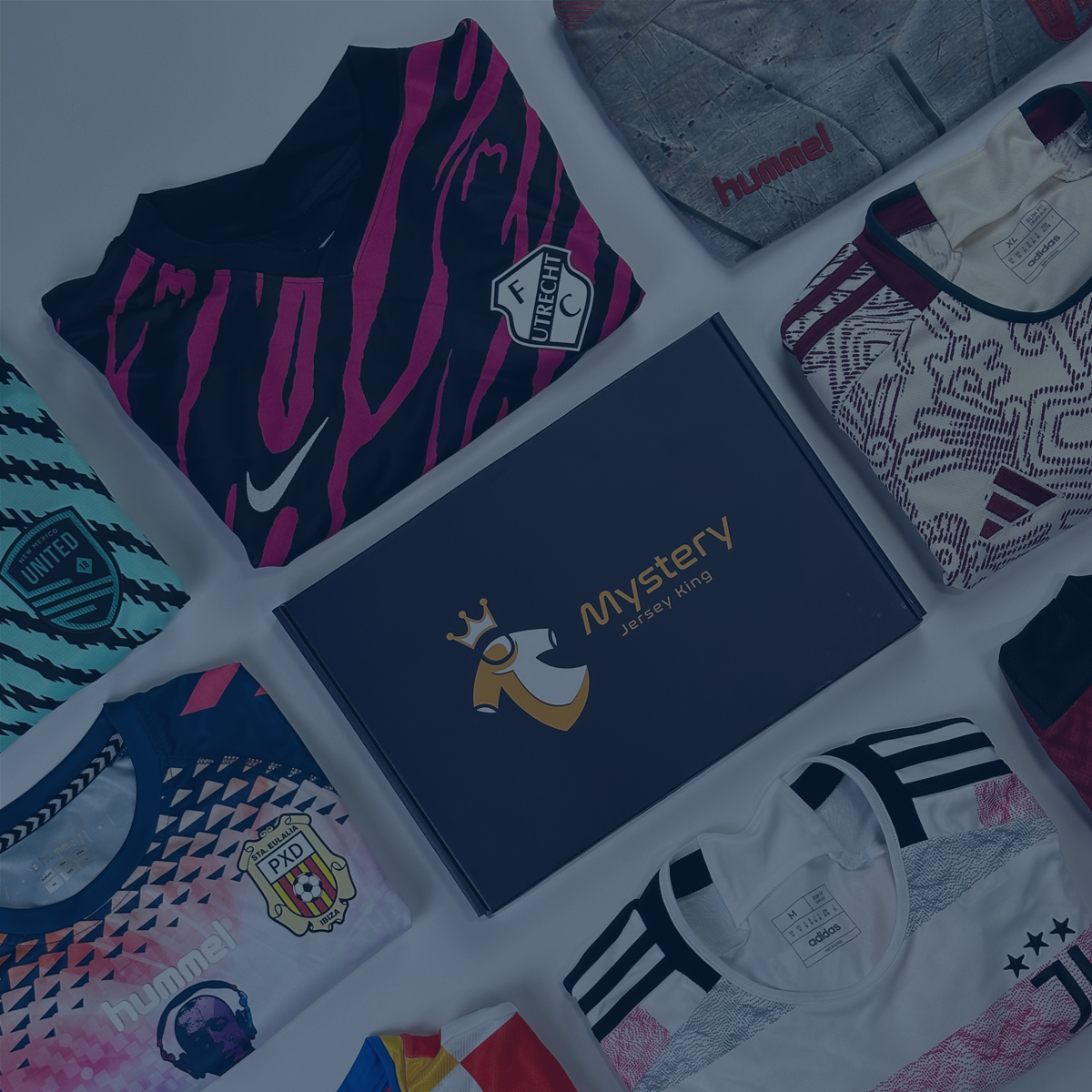
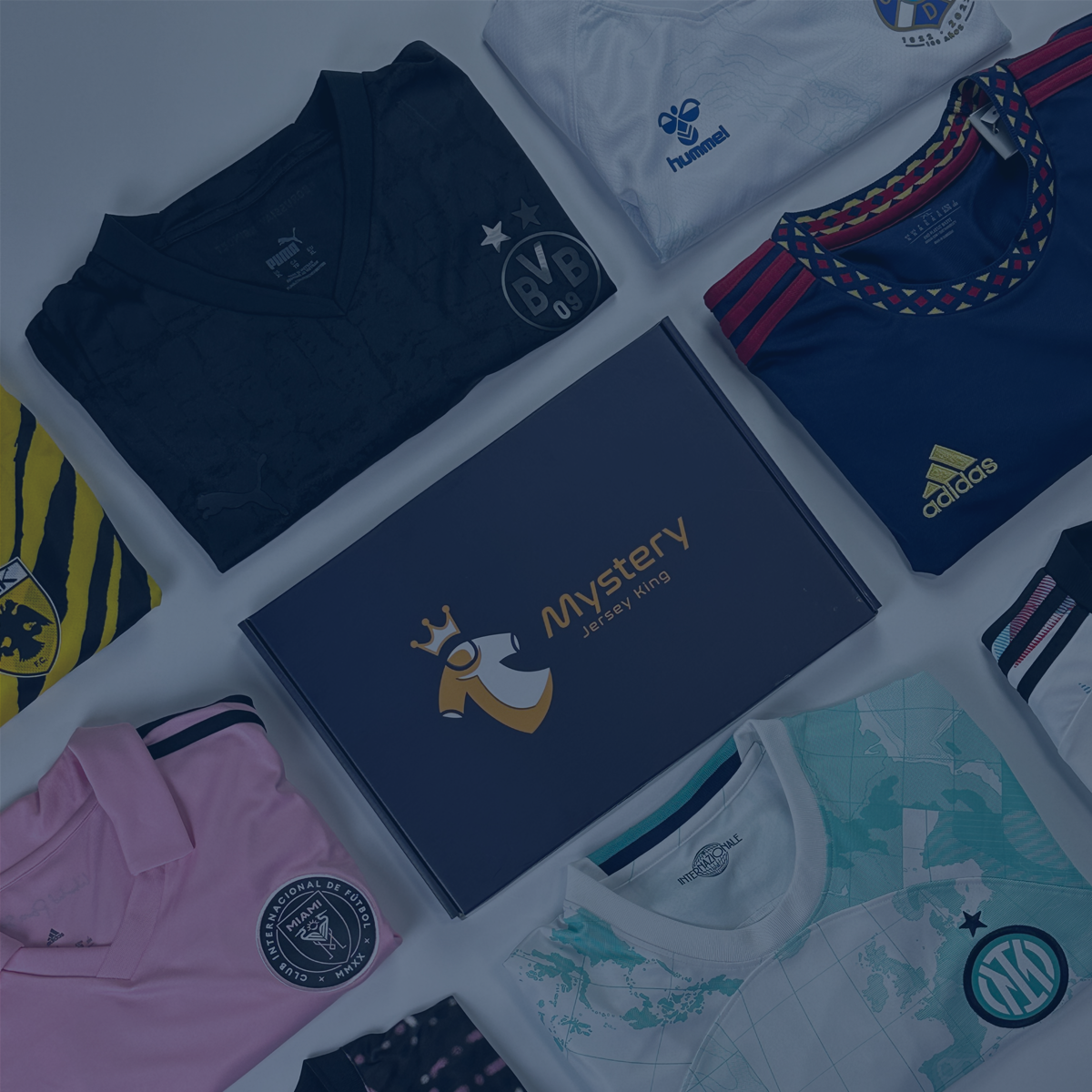
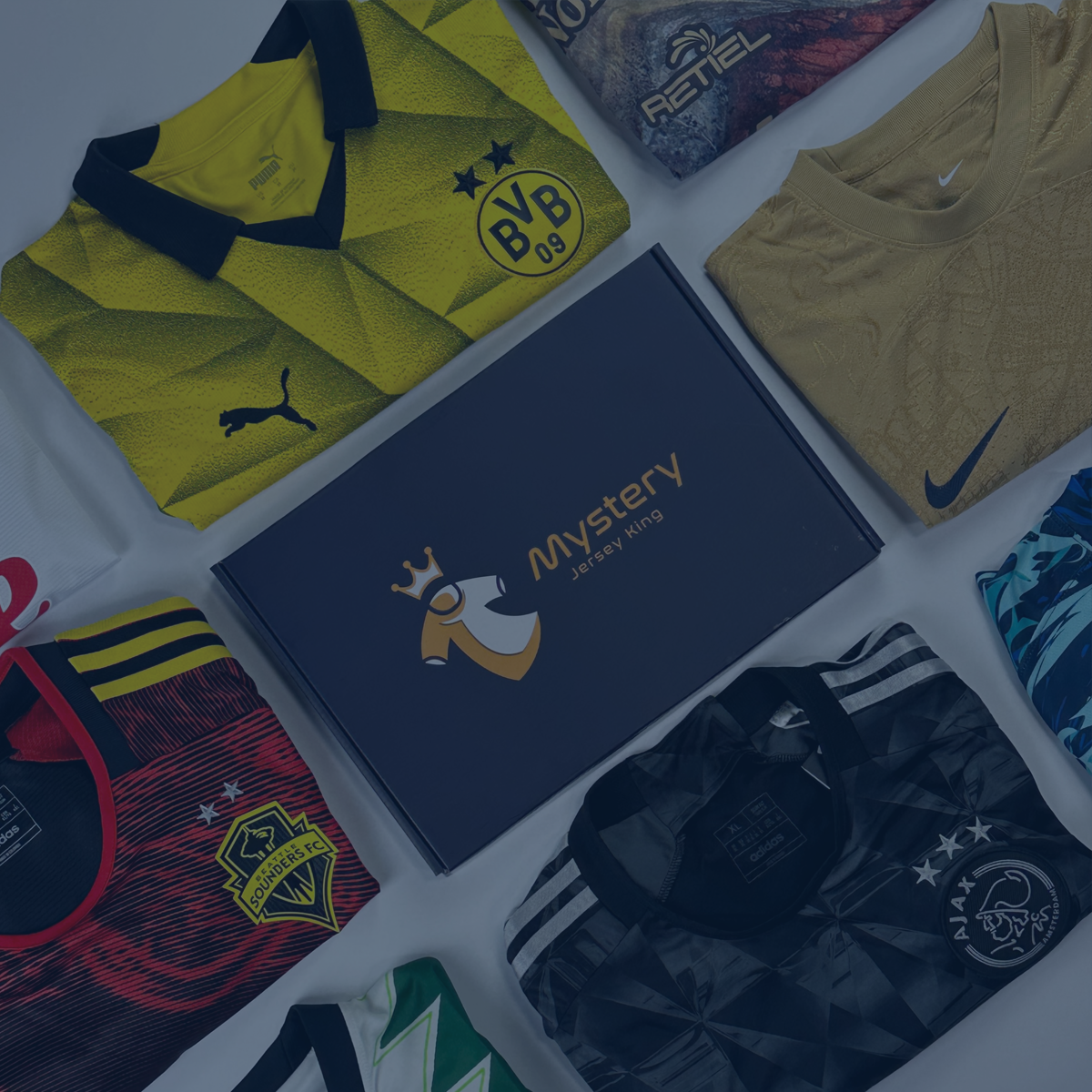
These are exactly the kinds of shirts that appear in MJK's mystery football shirt boxes: shirts from global leagues and national teams that most UK collectors have never encountered, delivered with the same authenticity and care that goes into every MJK order.
Why 90s Football Shirts Are Worth Collecting Now
The value of 90s football shirts to collectors has only increased as the decade has receded further into the past. Three factors drive this:
Scarcity. Original 90s shirts are not being produced any more. The supply of genuine originals is finite and declining as shirts wear out, get lost, or are snapped up by serious collectors. The most sought-after examples, like an original Arsenal Bruised Banana in good condition, are now genuinely rare.
Nostalgia. The generation that grew up watching football in the 90s is now in their 30s and 40s, with disposable income and a desire to reconnect with the football of their youth. This generational nostalgia cycle has driven significant price increases for the most popular retro football shirts from the era and shows no sign of reversing.
Design quality. The best 90s football shirts simply look better than most of what has been produced since. The boldness, the creativity, the willingness to take risks: these qualities do not date in the way that safer, more conservative designs do. A great 90s shirt looks as striking today as it did thirty years ago.
For anyone building a retro football shirt collection, the 90s remains the era with the highest concentration of genuinely great designs, a view shared consistently by the community at Football Shirt Collective. And for collectors who want to discover shirts from this era that they have never seen before, MJK's retro football shirt collection and mystery football shirt boxes are the most efficient routes to finding them.


Frequently Asked Questions
Why are 90s football shirts so popular with collectors?
90s football shirts are the most collected football shirts of any era for three reasons: design quality, cultural significance, and scarcity. The 1990s was the decade when kit manufacturers had the budgets and creative freedom to produce genuinely bold designs, when football went truly global and generated the kind of iconic tournament moments that make shirts memorable, and when the supply of originals was still large enough to make collecting accessible. Thirty years later, the combination of nostalgia, scarcity, and enduring design quality makes 90s football shirts the most valuable and sought-after retro football shirts in the market.
What are the best 90s football shirts for collectors?
The most consistently cited 90s football shirts among collectors include the Arsenal Bruised Banana away shirt (1992/93), the Sampdoria home shirt (1994/95), the Nigeria 1994 World Cup home and away shirts, the Juventus Kappa shirts from the late 90s, the Fiorentina home shirts from the late 90s, the Denmark 1992 European Championship shirt, and the Ajax shirts from the Champions League-winning era. Any serious retro football shirt collection should include at least one shirt from this era.
How much are original 90s football shirts worth?
Values vary enormously depending on the shirt, its condition, and whether it is a match-worn or standard replica. Common 90s football shirts in good condition typically sell for £30 to £80. More desirable originals like the Arsenal Bruised Banana or Fiorentina late 90s home regularly command £200 to £400 or more in good condition. Match-worn examples from significant seasons can sell for thousands. The market for vintage football shirts from this era has strengthened consistently over the last decade.
Where can I buy authentic 90s football shirts in the UK?
Mystery Jersey King's retro football shirt collection features 100% authentic classic football shirts from the 90s and other iconic eras. Every shirt is genuine, sourced from MJK's verified global supply network. For collectors who enjoy the discovery element, MJK's mystery football shirt box delivers authentic shirts from a global range of clubs and leagues, with 90s football shirts regularly appearing in the mix.
Were the 90s really the best decade for football shirts?
Among serious collectors, yes. As ESPN noted in their kit rankings, "the 1990s still reign supreme as the decade with the most enduring and sought-after retro football shirts." The combination of creative freedom, manufacturer competition, tournament significance, and the global expansion of football created a unique environment that has never been fully replicated. The 2020s have produced some genuinely excellent kits, but nothing matches the sustained creative ambition of the 90s at its peak.
Can I get 90s football shirts in a mystery box?
MJK's mystery football shirt boxes draw from a global supply network that includes shirts from various eras. While you cannot specify that you want a 90s football shirt specifically, the breadth of MJK's sourcing means classic football shirts from the 90s and other eras appear regularly in mystery boxes. For guaranteed 90s originals, MJK's dedicated retro football shirt collection is the place to start.
What made 90s football shirt design different from today?
The key difference is creative risk. 90s football shirts were designed during a period when manufacturers and clubs had not yet developed the cautious, commercially safe approach that defines most modern kit design. Designers were given genuine freedom to experiment with bold patterns, unexpected colour combinations, and distinctive construction details. The results ranged from spectacular to gloriously strange, and both ends of that spectrum are now celebrated by collectors of retro football shirts.
Build your retro football shirt collection with MJK
As seen on BBC Dragons' Den. 100% authentic retro football shirts and mystery boxes. Every shirt genuine, every delivery a discovery.
- Retro football shirt collection
- Men's mystery football shirt box, from £37.99
- Women's mystery football shirt box, from £29.99
- Share boxes, 3, 5 or 10 shirts




Leave a comment
This site is protected by hCaptcha and the hCaptcha Privacy Policy and Terms of Service apply.